CHINESE WINE REGION
Shandong
The origin of modern Chinese wine
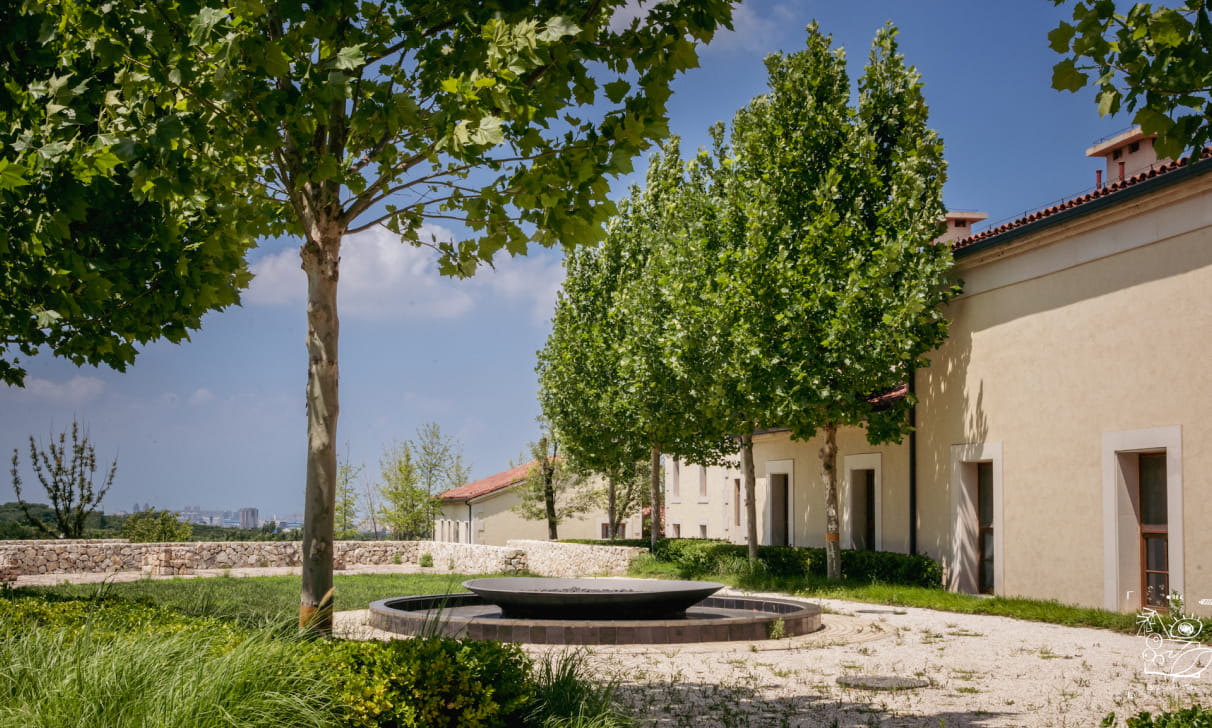
While China's wine culture traces all the way back to the Spring and Autumn Period (770–476 BC), the origin of modern Chinese wine is found in Shandong. This province is home to a large number of wine grape production areas distributed throughout 12 cities. In addition to Yantai's Penglai and Qingdao, wine grapes are also found in Weihai, Weifang, Tai'an, Zaozhuang, and Rizhao.
History of the Changyu Wine Industry
Yantai's Zhangyu Cabernet is the Chinese wine that most people encounter first. This is understandable, as Yantai is indeed where Chinese wine rose to fame. This wine's legendary history began in 1892 with Mr. Zhang Bishi, a Nanyang businessman who purchased hundreds of acres in Yantai, introduced more than 120 high-quality grape varieties, and founded China's first modern, large-scale wine-making company, Changyu Winery. In so doing, he launched not only the Yantai winemaking region, but also China's modern wine industry overall. In 1915, Zhang Bishi presented his Chinese wines at the Panama-Pacific International Exposition, where his Koya XO Brandy, Red Rose Wine, Traminer and Riesling White Wine swept the awards, each winning a gold medal. This landslide victory marked the debut of Chinese wine on the international stage.
One of The World's Seven Major Grape Coasts
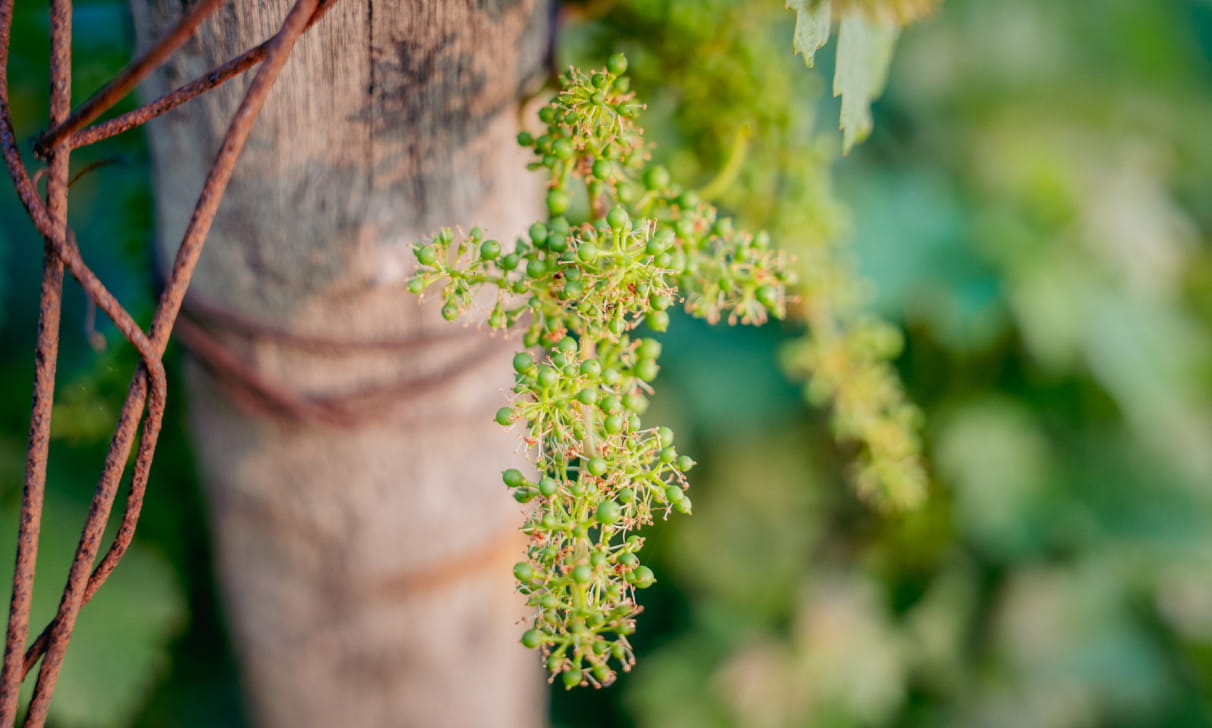
Since the exposition, Shandong has continued to introduce new varieties and technology, becoming an integral part of China's wine production map with more than a hundred years of operation. Shandong's most vital wine regions are concentrated in Yantai and Qingdao, with Penglai in Yantai holding dominance. Thanks to its advantageous natural conditions, Penglai is considered one of the world's seven major grape coasts, keeping company with other illustrious regions such as Bordeaux in France, Tuscany in Italy, Napa Valley in the United States, and Casablanca in Chile. All of these coasts share very similar climates, particularly in regard to their "3S" conditions – sun, sand, and sea – and their location on the golden latitude belt for wine grape cultivation.
An evolving "International Wine City"
Yantai is also the only city in China to be awarded the title of "International Wine City" by the International Organization of Vine and Wine (OIV). With a typical oceanic climate that includes warm winters, Shandong is one of the few grape-producing regions in China that does not require being buried in winter, giving birth to the unique "tender, nourishing and elegant" character of Penglai wines. As a result, Penglai has become the preferred choice of famous wineries both at home and abroad.

An evolving "International Wine City"
Small-scale Wine Region of China
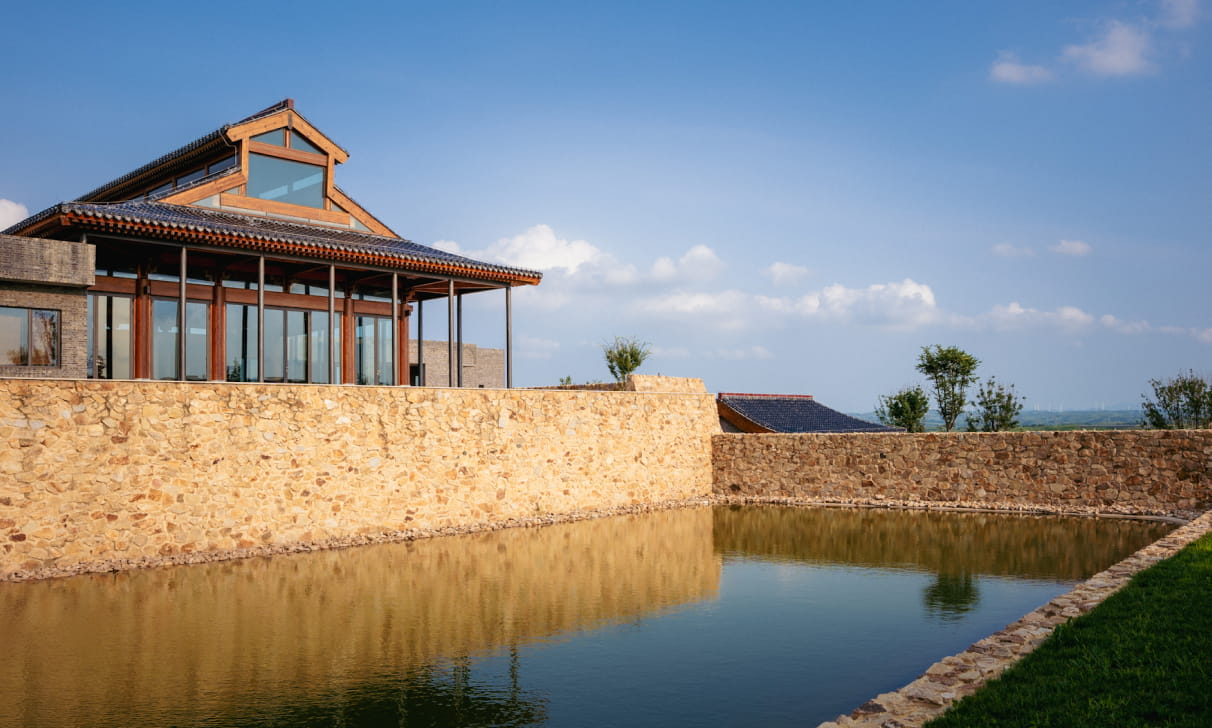
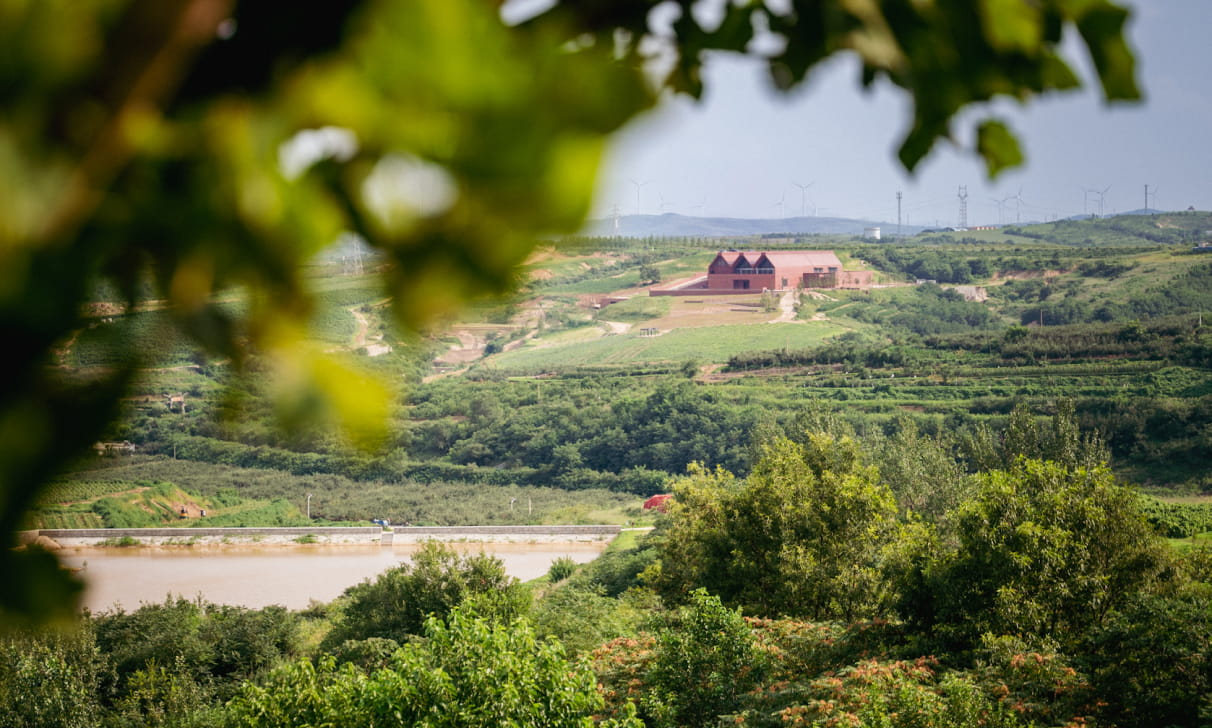
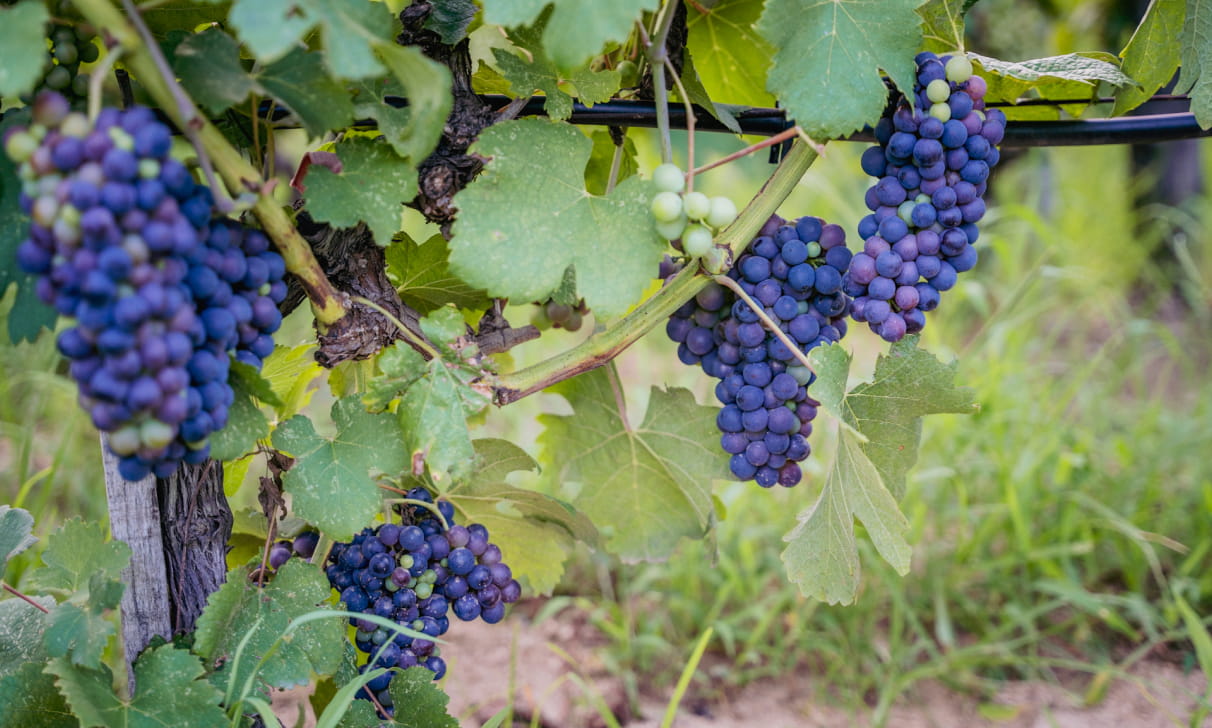
Shandong is home to many premium wineries. Penglai's world-renowned "One Belt, Three Valleys" – a coastal grape tourism belt consisting of the Qiushan, Nanwang and Pingshan River valleys – has even been certified as a "Small-scale Wine Region of China", the second-ever such region in China after Manas in Xinjiang and the first one in Shandong Province.
One Belt, Three Valleys
Along the "One Belt," you can find clusters of coastal wineries focused on premium wines with integrated vineyards, wine processing, displays and other functions. With regards to the "Three Valleys," Nanwang Valley is home to high-end, production-oriented wineries that develop premium wines and promote high-end leisure and resorts, while Pingshan River Valley offers eastern-style wineries that create wine experiences and wellness retreats, and Qiushan Valley hosts many top wine groups from other countries that attract foreign investors.
A cultural symbol of China's rise and renaissance
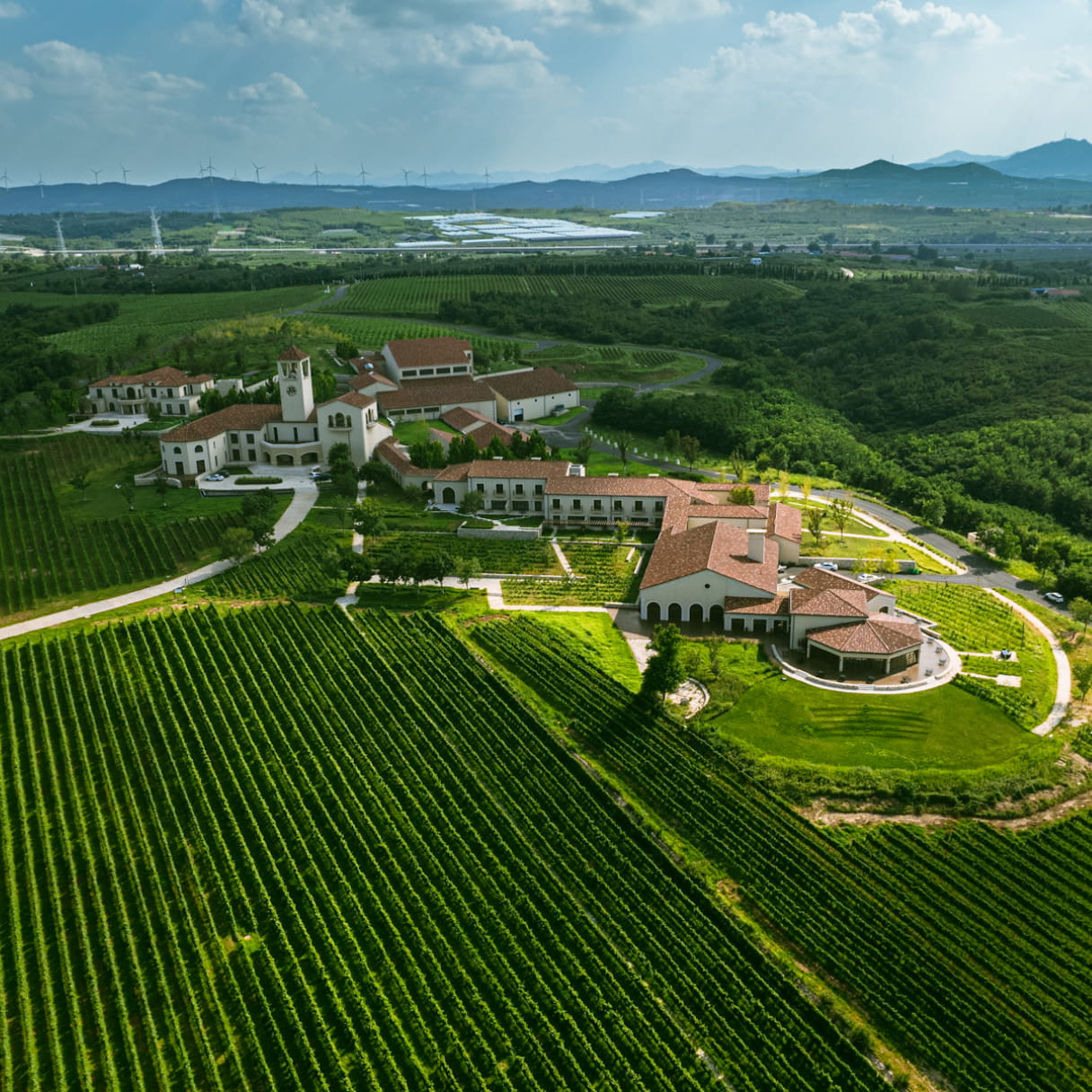
More than a century has passed since Yantai wines made their worldwide debut in 1915. Once seen simply as "Bordeaux of the East," Chinese wines have rejected that label by winning gold medal victories at international events time and time again. China's wine culture has a splendid history dating back to the Han and Tang Dynasty, a long and brilliant legacy that has never faded. From the eastern coastline of Shandong to the eastern foothills of Ningxia in Northwest Gobi, generations of Chinese winemakers have earned their own voice and respect on the world wine map. Today, China has become one of the world's largest wine markets, and Chinese wine is a cultural symbol of China's rise and renaissance.
A cultural symbol of China's rise and renaissance