CHINESE WINE REGION
Xinjiang
Northern and Southern Xinjiang
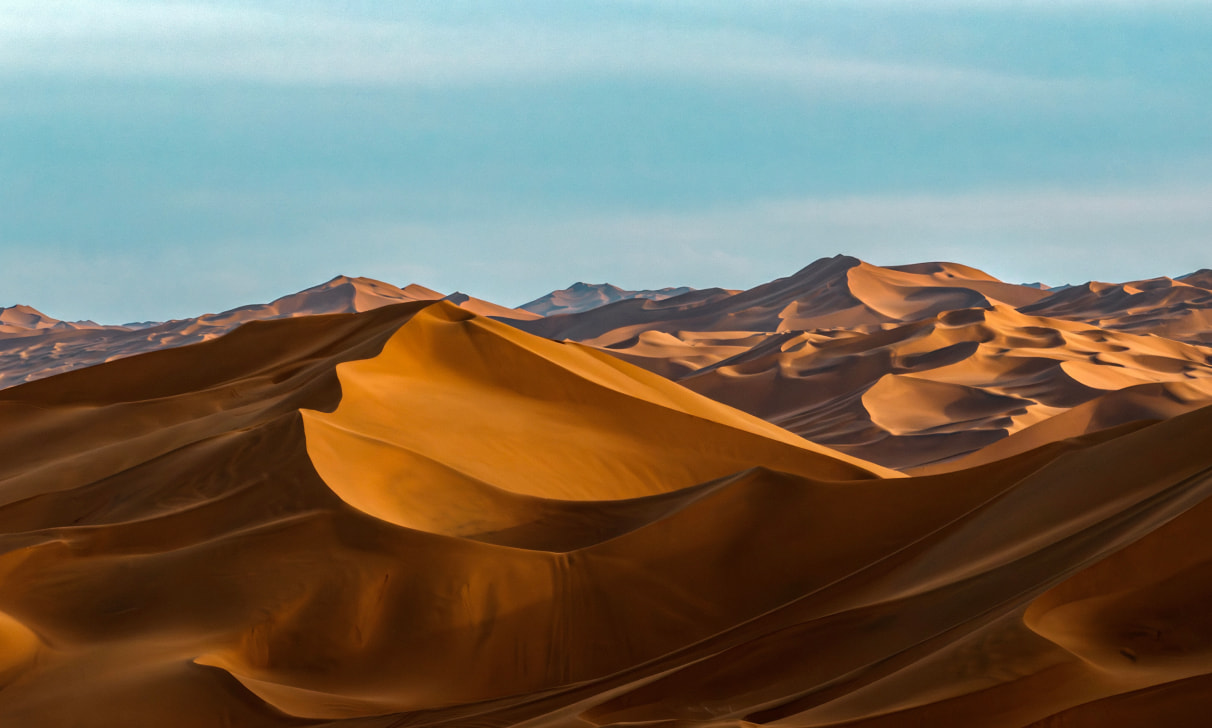
The majestic Tianshan Mountains divide Xinjiang into two parts. To the south lies China's largest desert, the Taklamakan Desert, along with the Lop Nor depopulated zone and the Tarim Populus Euphratica Forest, the largest such forest in Xinjiang.
A Journey from vine to wine: Grape Cultivation
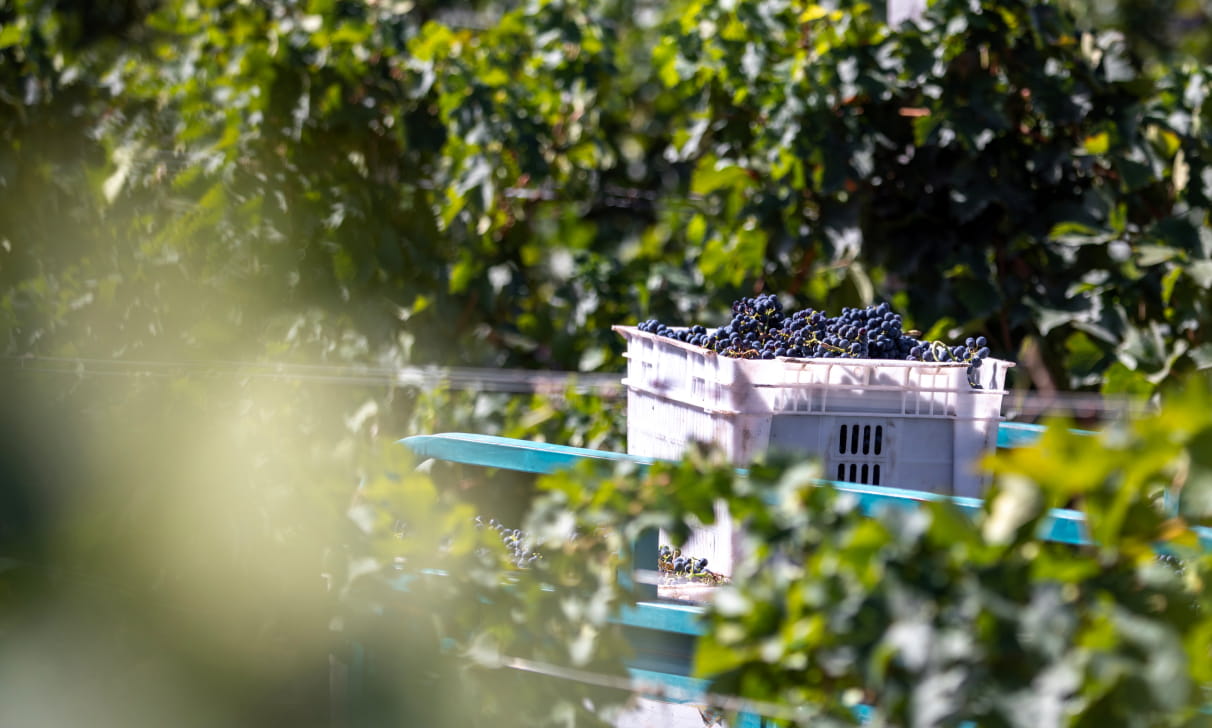
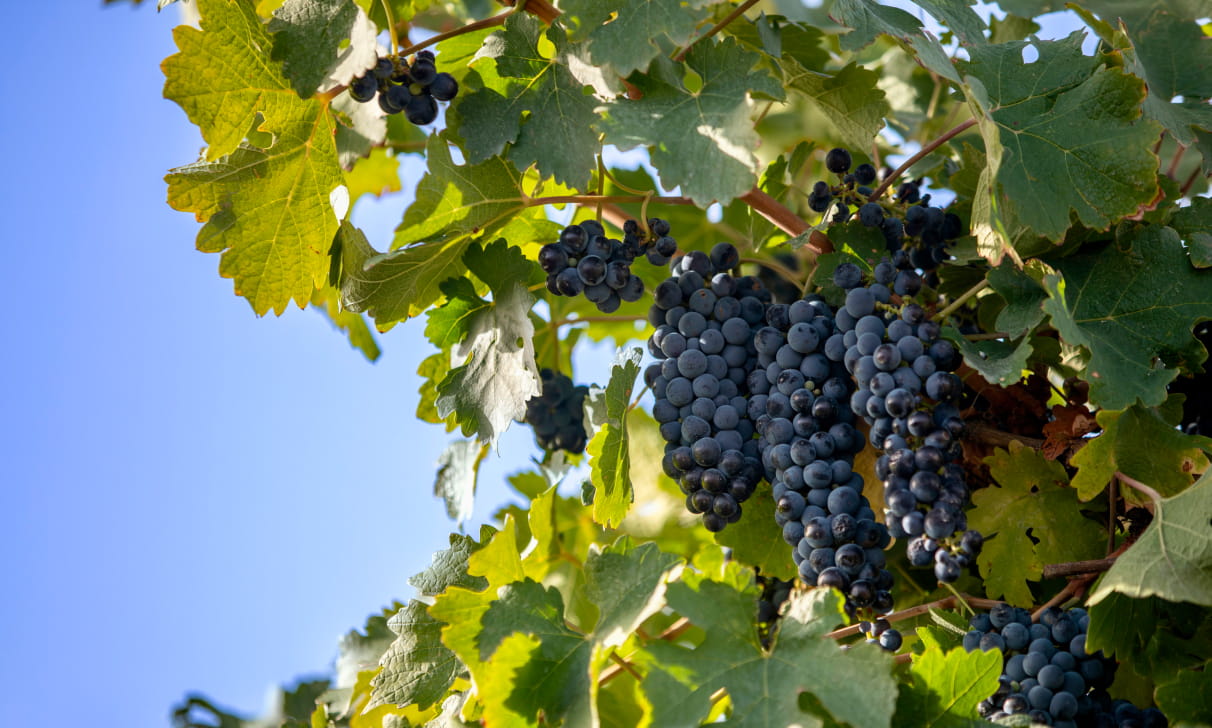
Excellent wine begins with wise cultivation. Wine grapes require strict planting conditions – the right latitude, altitude, temperature, sunlight, soil, and rainfall.
Two basins and three mountain ranges
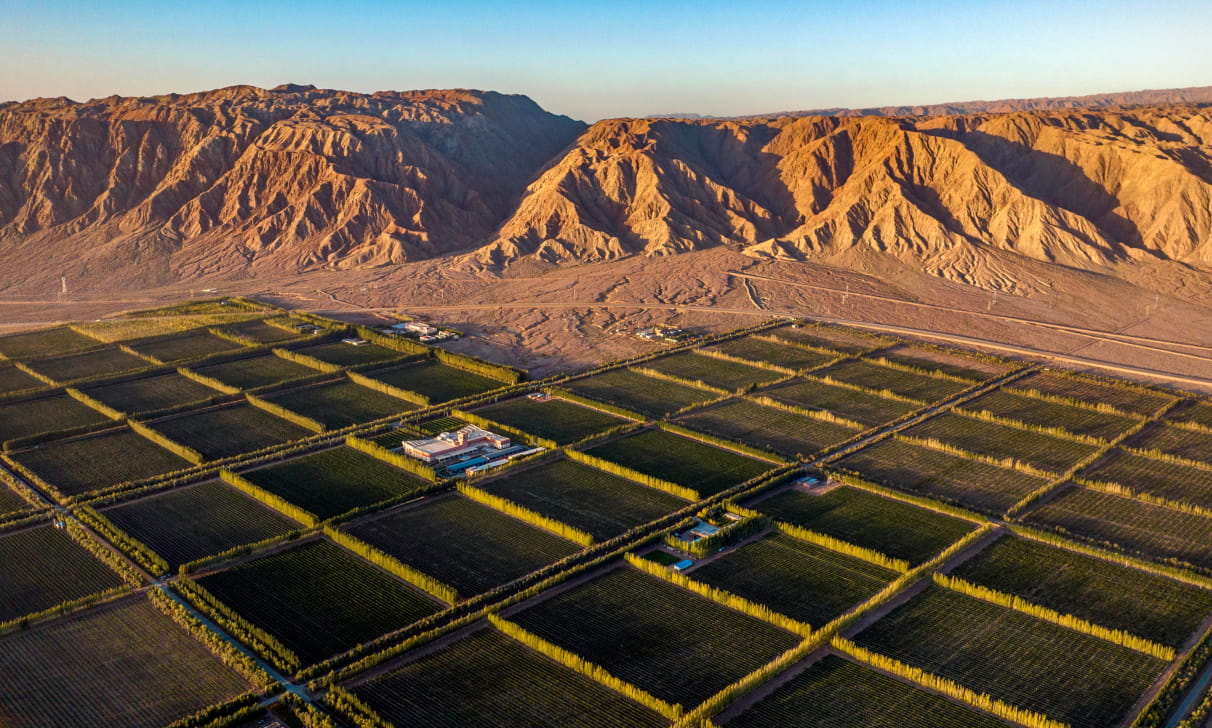
Xinjiang's unique terroir is a result of its landscape, which consists of the Zhungeer and Tarim basins, divided from north to south by the Aertai, Tianshan and Kunlun mountains. These divisions have created four major wine-producing regions, each with its own geological features, unique characteristics and microclimate conditions.
The history of winemaking in Xinjiang
Xinjiang has a long history of grape cultivation that dates back more than 2,400 years, and is recognized as the first region in China to grow grapes and make wine. According to Shiji, Dayuan brewed wines with grapes, and the rich housed a hundred thousand liters of wines that stayed good for decades. In 138 B.C., Han Dynasty imperial envoy Zhang Qian introduced grapes to the Western Regions, travelling first to Xinjiang and then to Xi'an in Shaanxi and other regions after his expedition to Central Asia. For this reason, Xinjiang is also known as the birthplace of Chinese wines.

The history of winemaking in Xinjiang
Xinjiang Production and Construction Corps
Another thing that differentiates Xinjiang's wineries from China's other wine-producing regions is the one and only Xinjiang Production and Construction Corps (XPCC). For more than half a century, XPCC has been stationed at the foot of the Tianshan Mountains, supporting its agriculture as a paramilitary group. XPCC has also increased China's wine-making presence in the western regions, along the Gobi Desert and its borders.
Milestones in Xinjiang's wine industry development
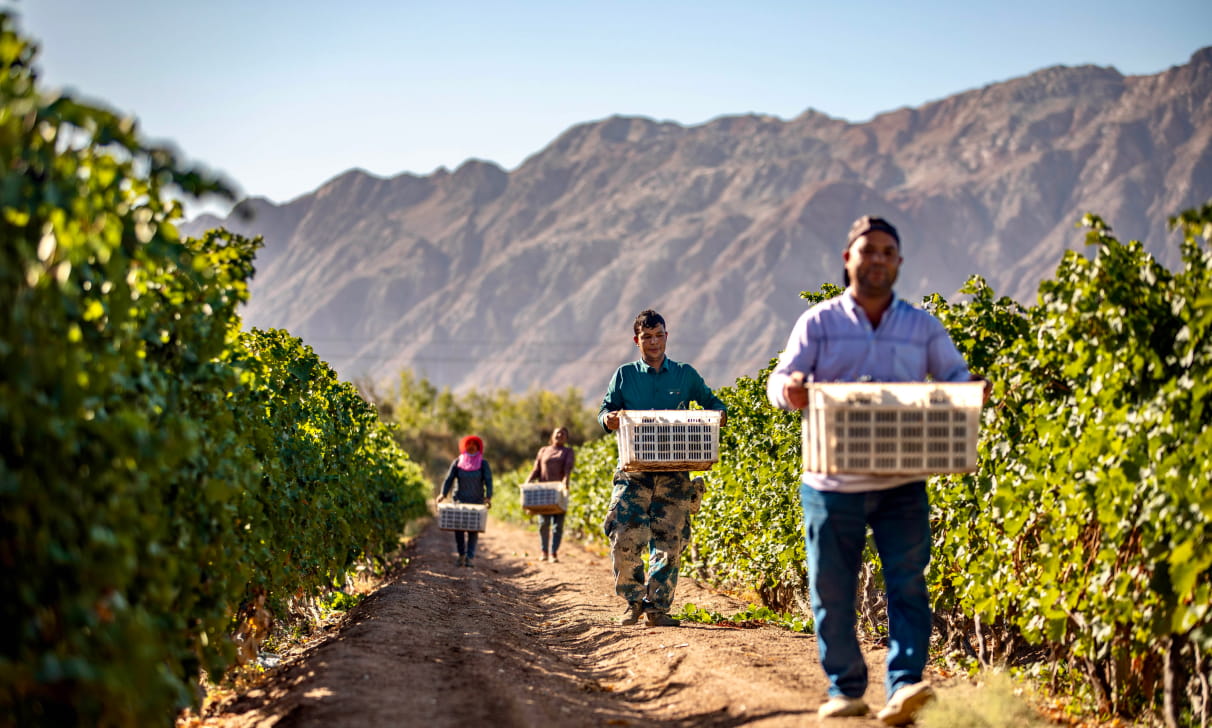
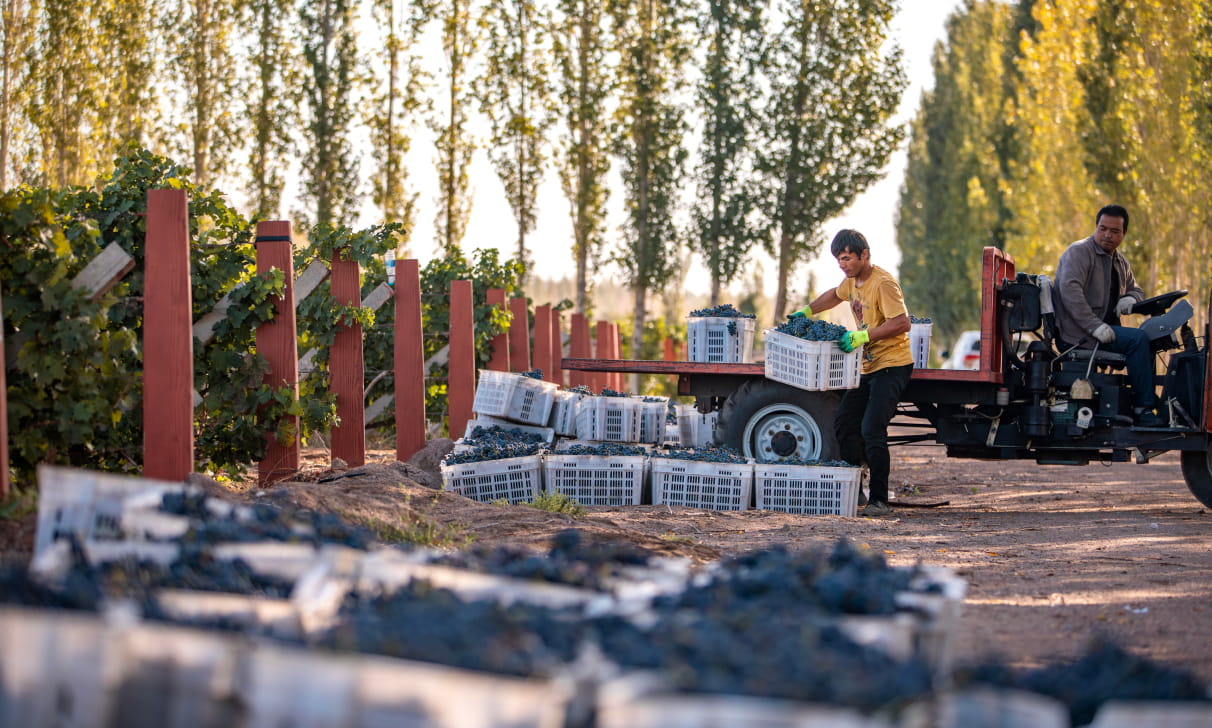
In 1959, XPCC's 221st Regiment built the first winery in Turpan. In 1964, the 70th Regiment of the 4th Agricultural Division established the Yizhu Winery and began to cultivate wine grapes. In 1997, XPCC's establishment of Xinjiang Tianyu and the Xintian International Winery marked the start of the large-scale development of Xinjiang's wine-making industry. Since 2002, this industry has gone through intense development, evolving into four major wine-making regions located in the northern foothills of the Tianshan Mountains, the Yili Valley, the Yanqi Basin and the Turpan-Hami area. Each region has gained renown for its excellent representative wineries and premium wines.
Tianshan Mountains – Northern Foothills Region
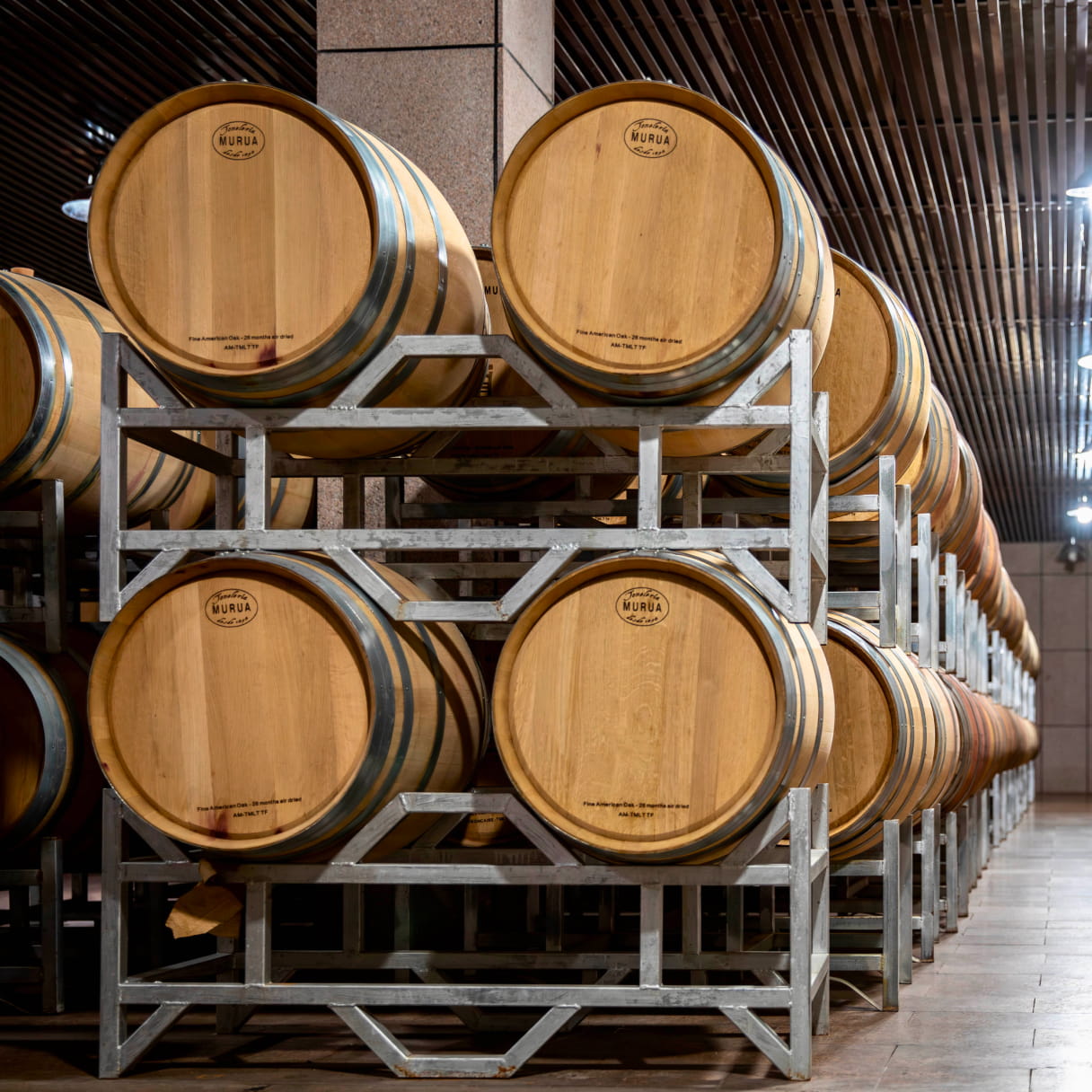
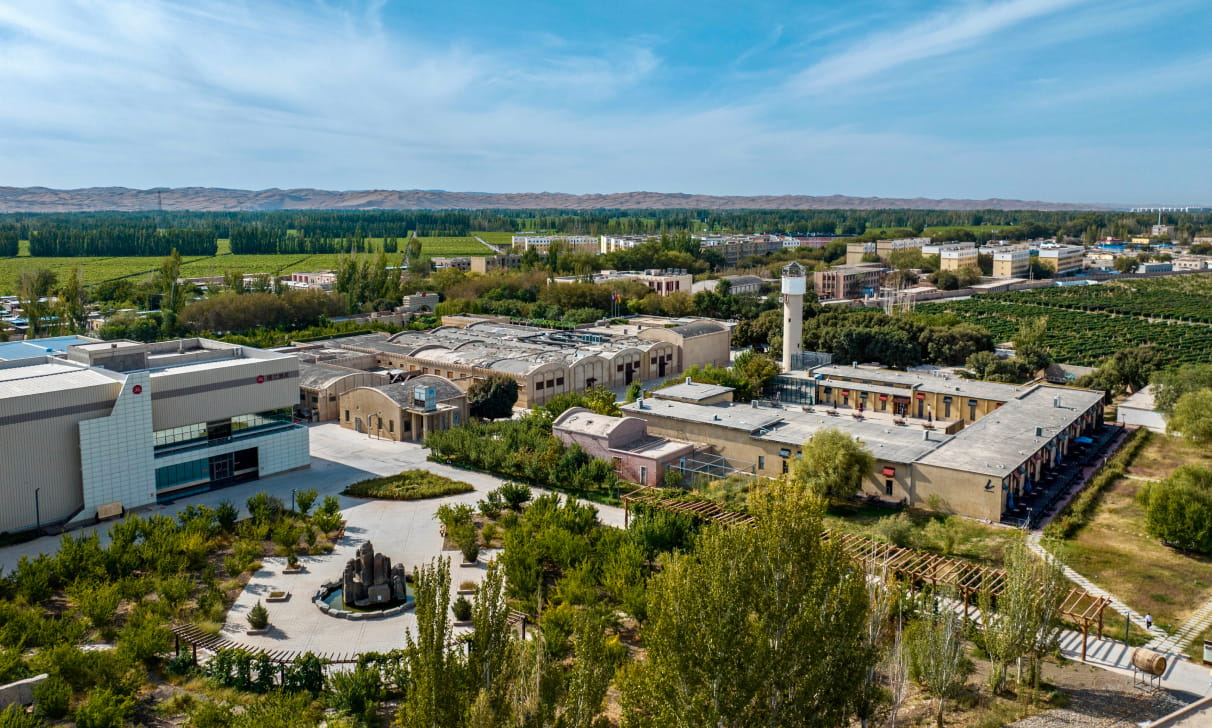
The northern foothills of the Tianshan Mountains are home to Xinjiang's largest wine-producing region, boasting the largest grape-planting area, highest popularity and highest yield. The over-100-kilometer grape industrial belt extends from Shihezi City and Manasi County in the west to Fukang City in the east Manasi County is acclaimed as the first certified wine grape planting region in the country.
Tianshan Mountains – Northern Foothills Region
Yili Valley Region
Yili Valley (also called Ili Valley) is known as "another Frontier Jiangnan" and "China's Western Oasis". Plenty of sunlight, a wide diurnal temperature, moderate rainfall and just the right sandy soil make this area a wine-making paradise with very high potential.
Yanqi Basin Region
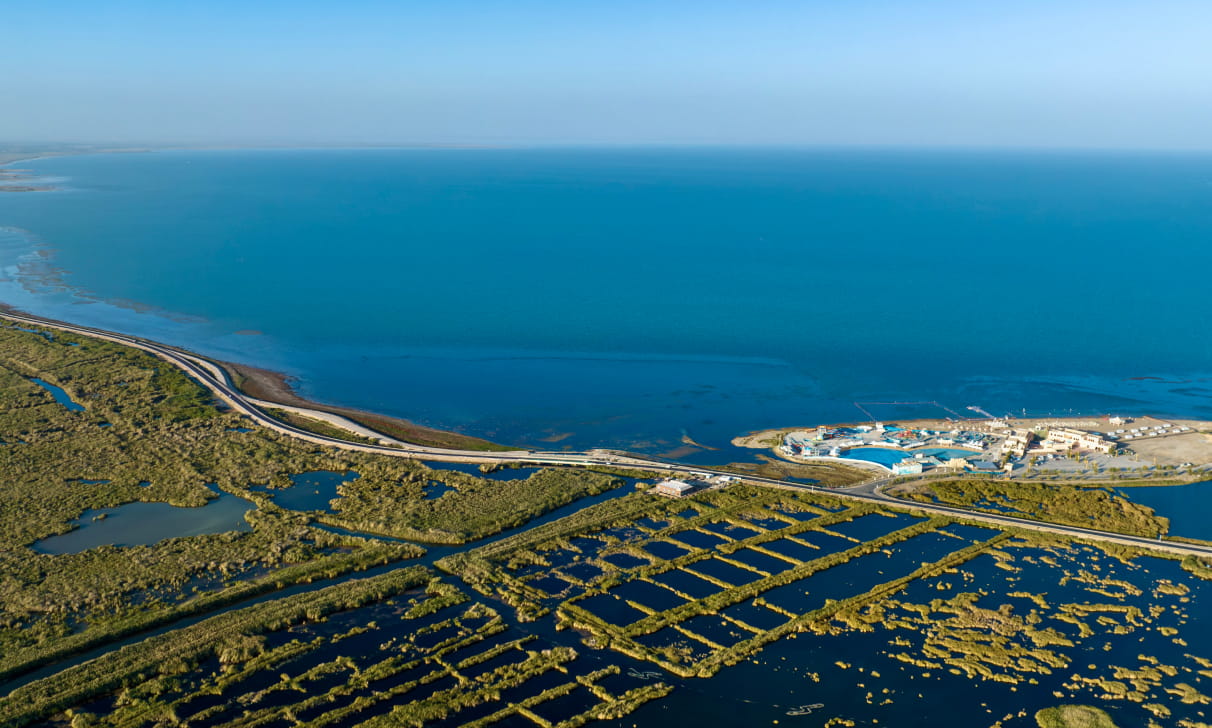
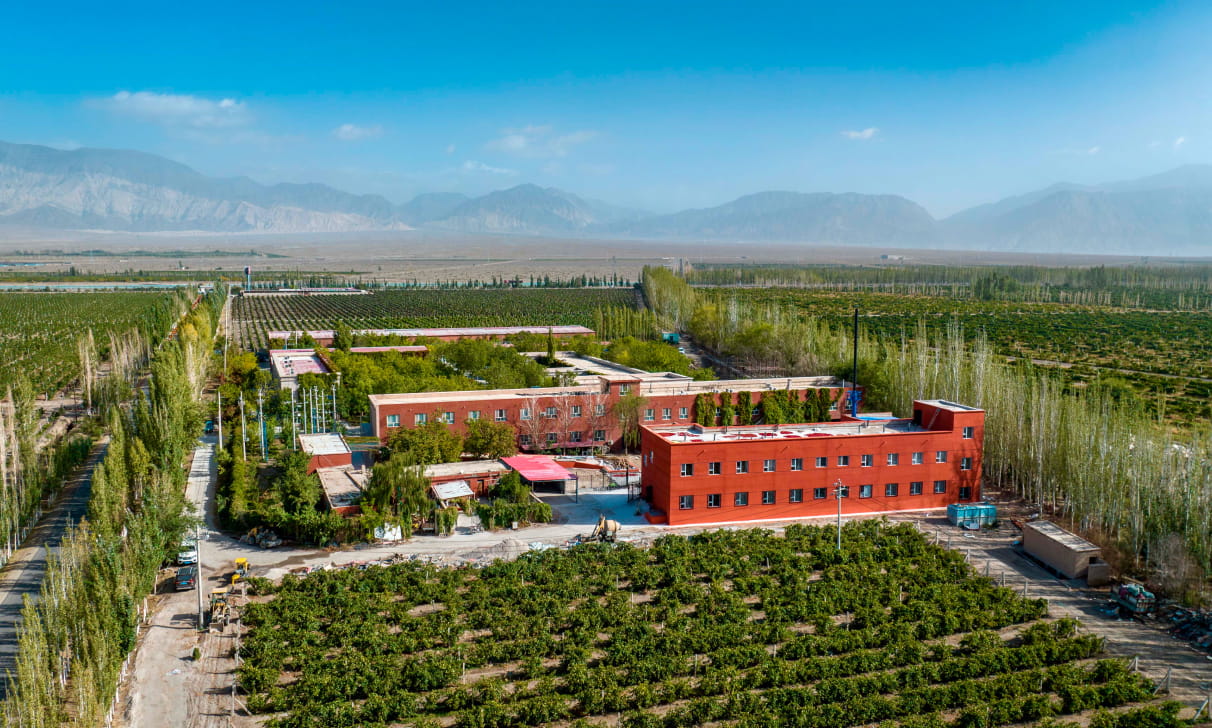
Yanqi's name indicates its strong, west China style. In the Han Dynasty, Yanqi was one of the 36 nations in the Western Regions and had a prosperous wine culture. Today, Yanqi Basin consists of four sub-production regions, making up approximately 120,000 mu (around 80mm square meters) of Xinjiang's total 350,000 mu wine grape planting area (around 240mm square meters).
Turpan-Hami Region
According to a Xinjiang folk song, Turpan is famous for its grapes, while Hami is famous for its melons. However, the two areas' geological advantages have made them equally famous for their wine-making. The pristine and pollution-free slopes provide a natural environment for growing a variety of wine grapes. With more than 3,000 hours of sunshine each year and an average diurnal temperature difference of more than 20°C, the grapes can reach a balanced ripeness and be free of pests and diseases without using pesticides.
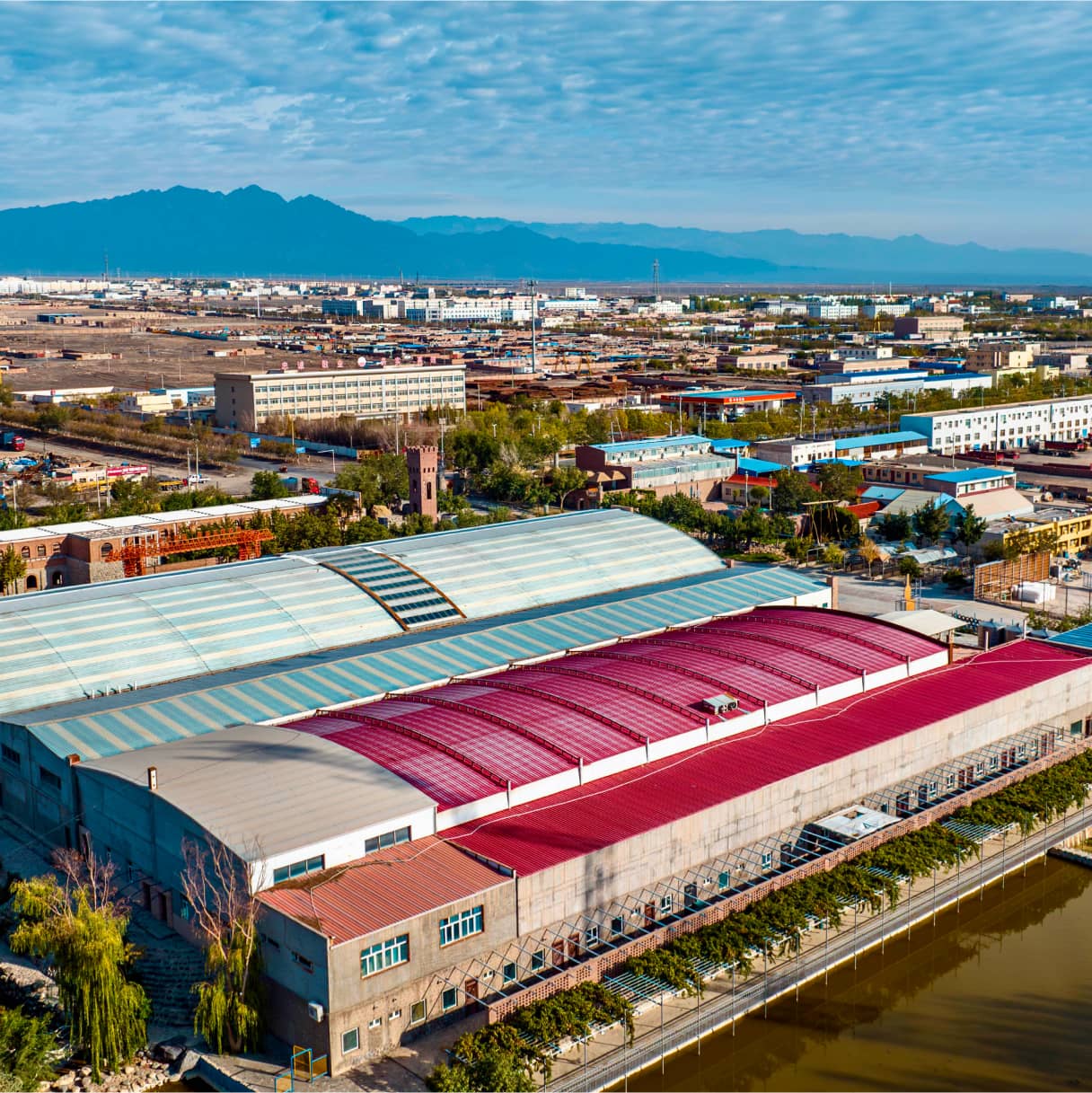
Turpan-Hami Region
The exceptional quality of Xingjiang's wines
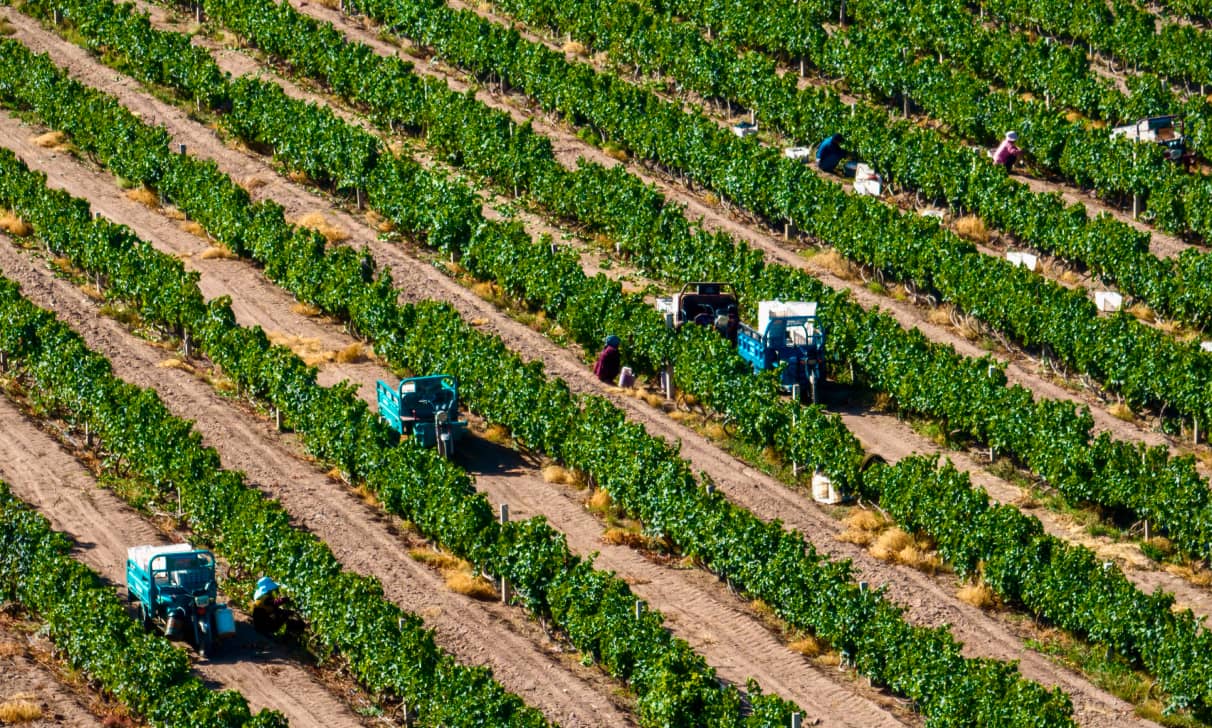
Gifted by nature and refined through careful management and cultivation, Xinjiang's exceptional terroir is responsible for both the premium quality of its wines and the outstanding scenic beauty of its vineyards.