Pagani Huayra Codalunga Speedster

NaN%
Estimated Market Price
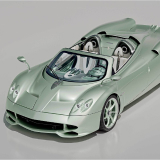
Pagani Huayra Codalunga Speedster – A Long-Tail Dream for Two Kindred Souls, Now Open to the Wind

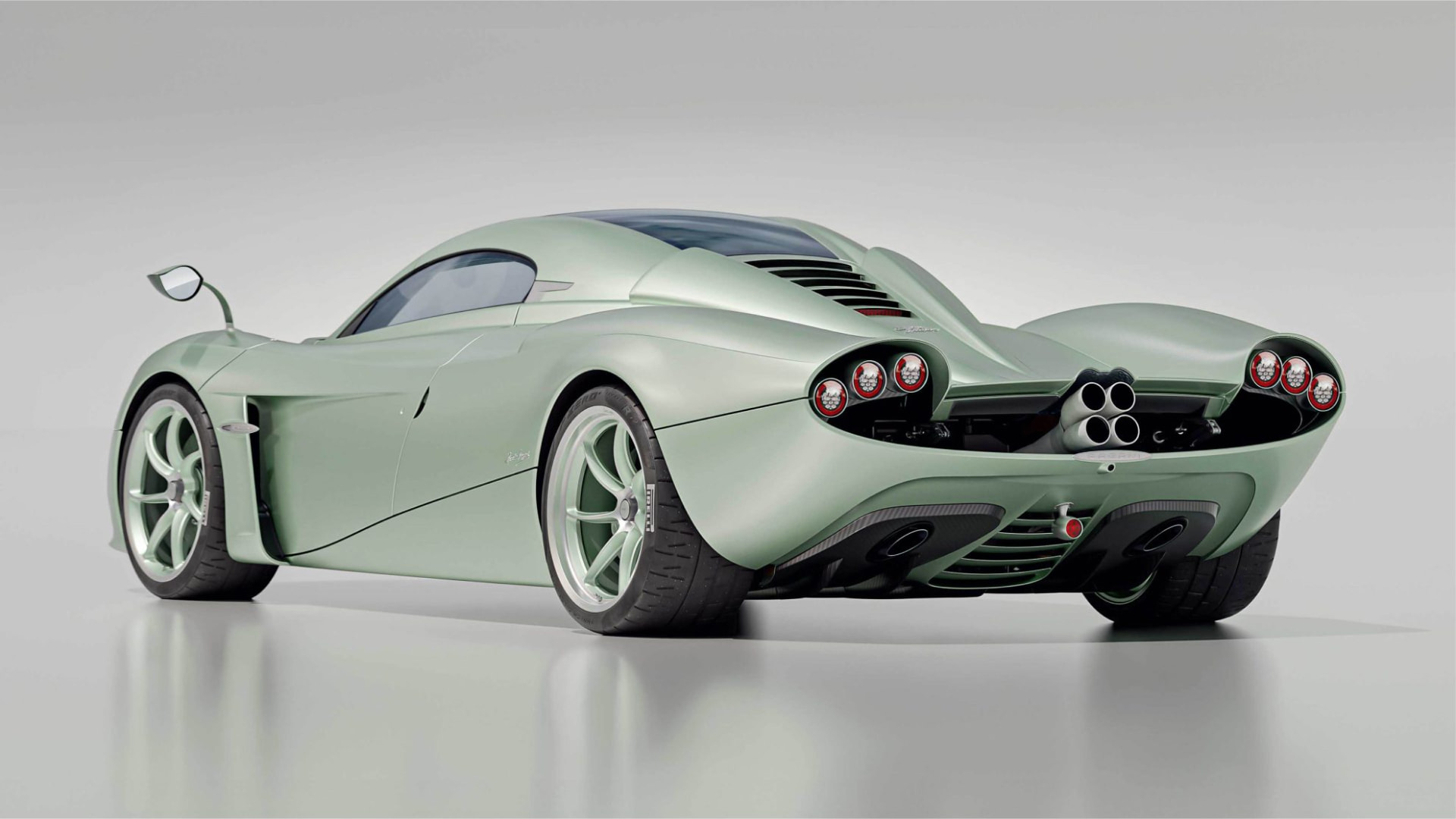
In 2018, two Pagani collectors asked Horacio Pagani for a long-tail Huayra: clean lines and an elegant stance, like the 1960s Le Mans racers. Four years later, the Codalunga coupé arrived—just five worldwide—and won the Design Award at the 2023 Concorso d’Eleganza Villa d’Este.
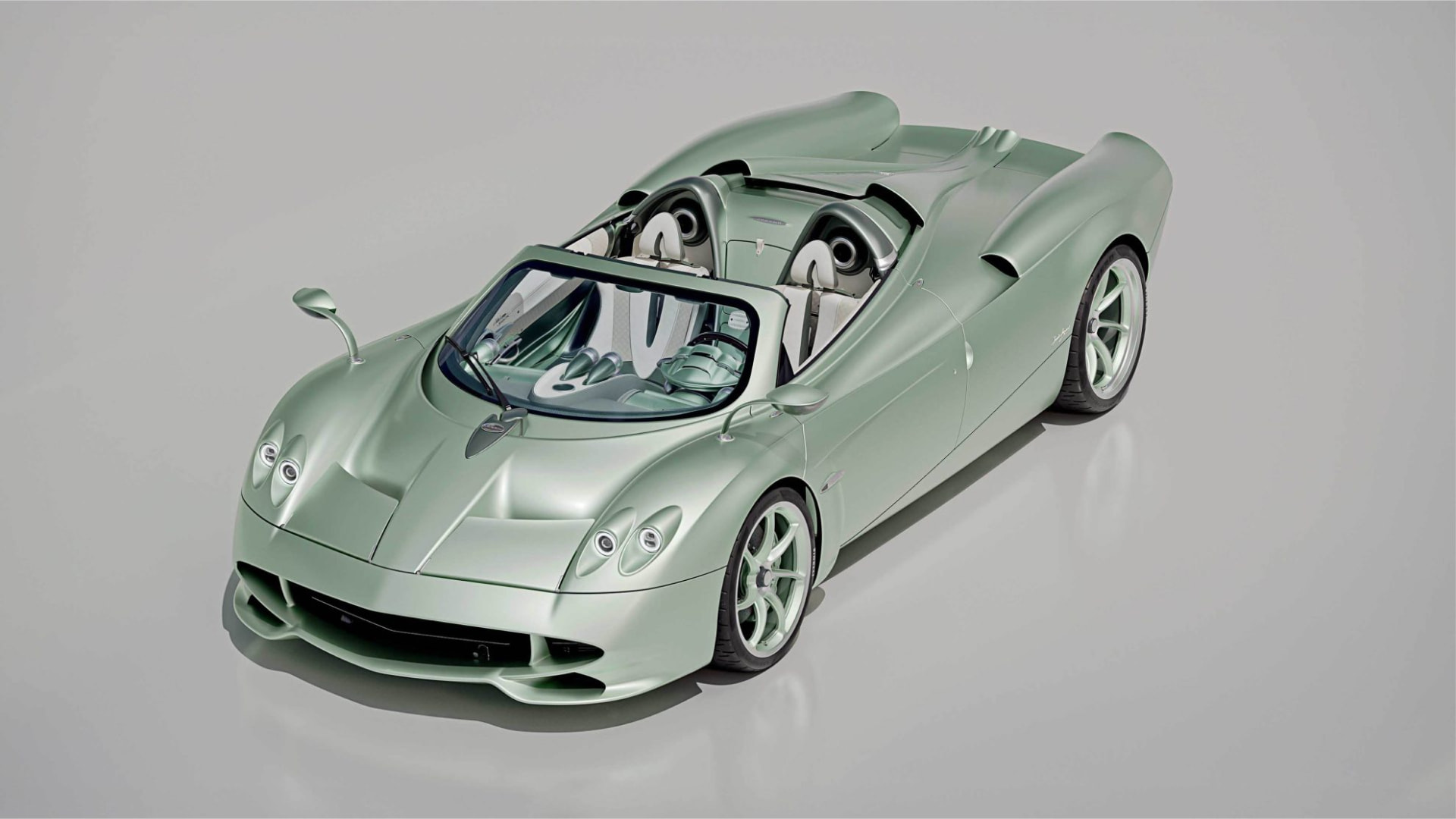
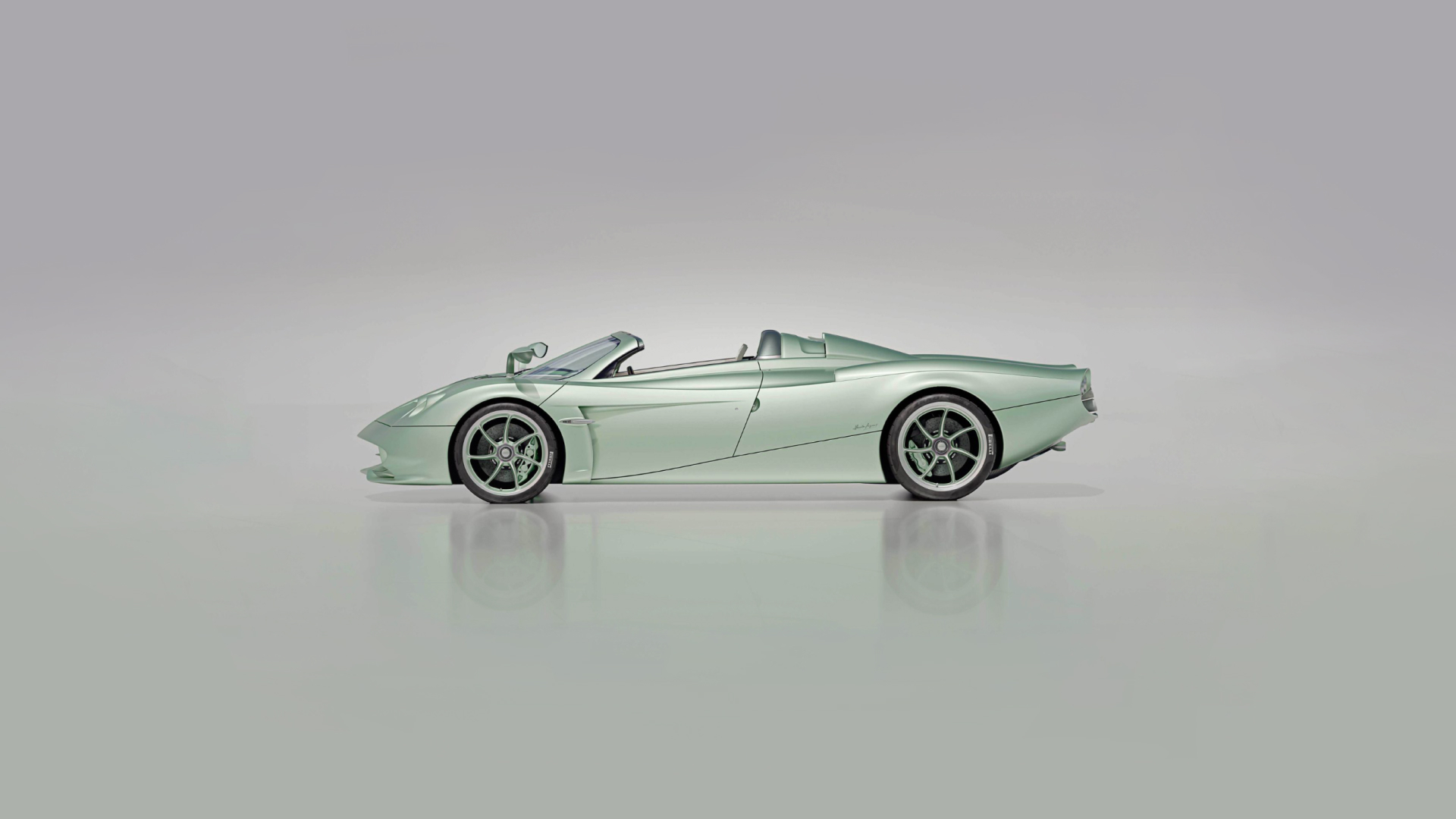
With the coupé’s story told, the collectors sent in a new wish: open that elegance to the sky. Horacio agreed, and the project returned to Grandi Complicazioni, the special-projects division. Its head, Lorenzo Kerkoc, notes that 1950s and ’60s racers balanced performance and beauty almost poetically, before efficiency outran elegance. This time, the brief was speed with grace: no aero appendages, no side intakes—a body slipping quietly through the air.
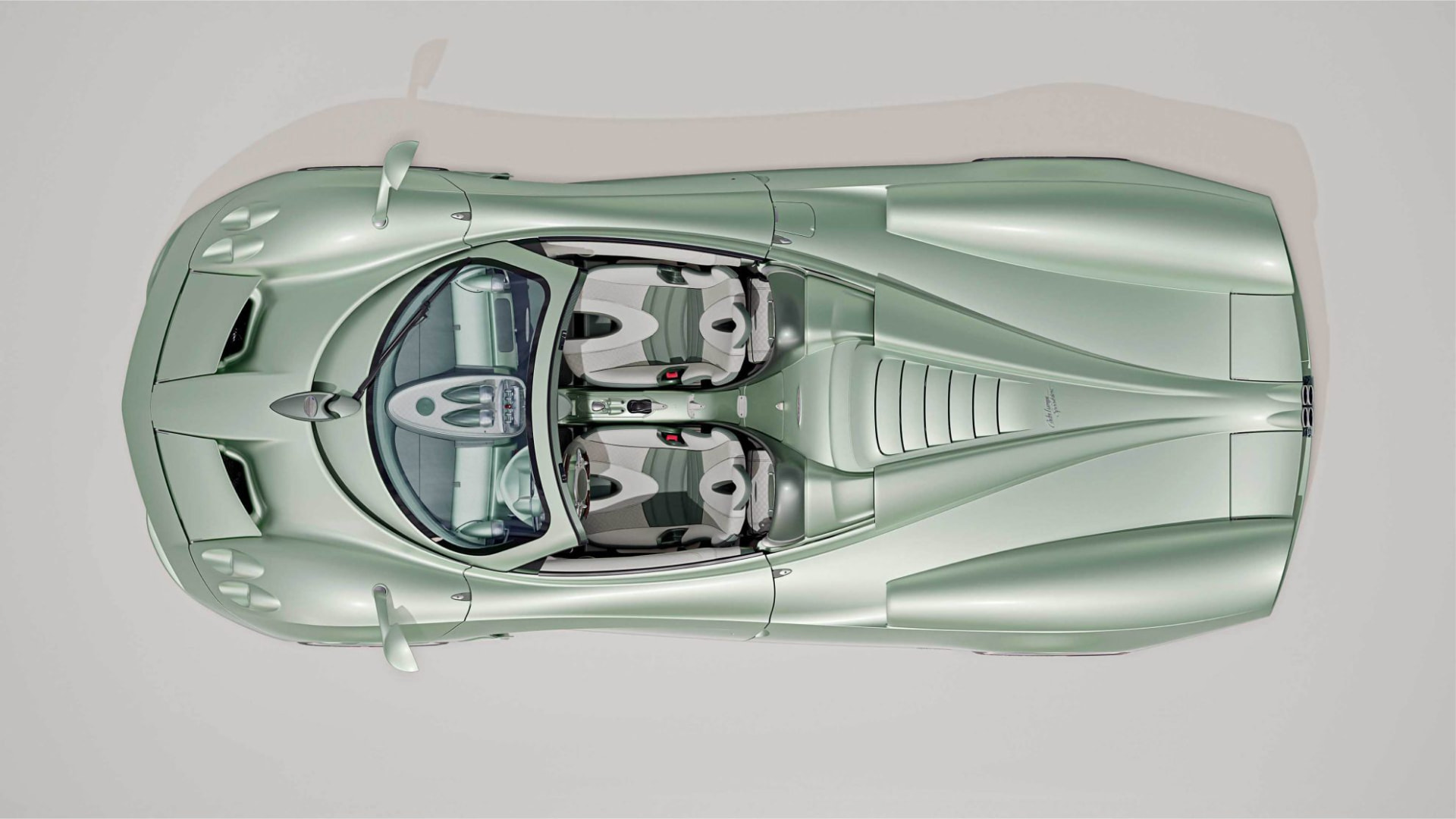
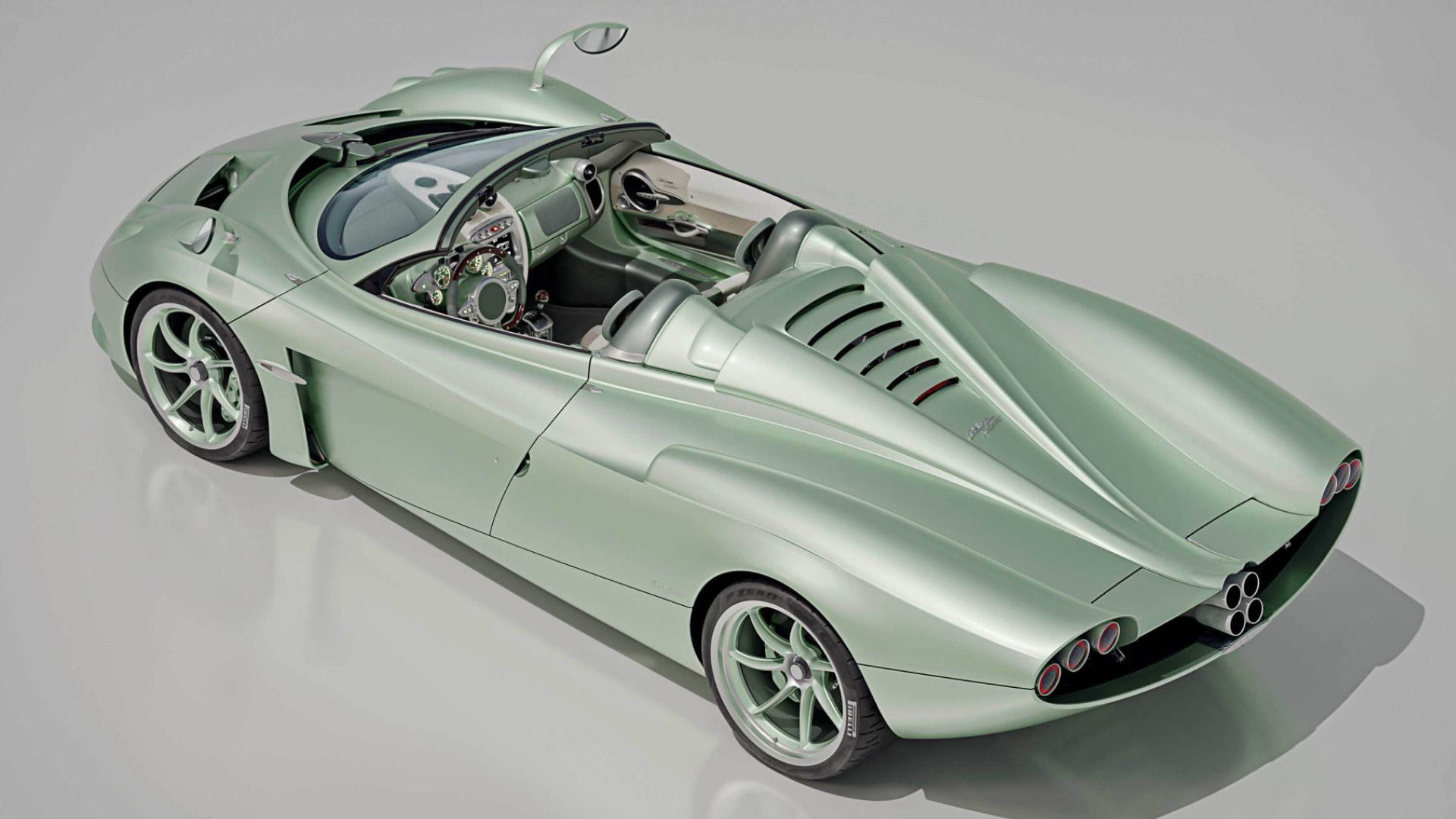
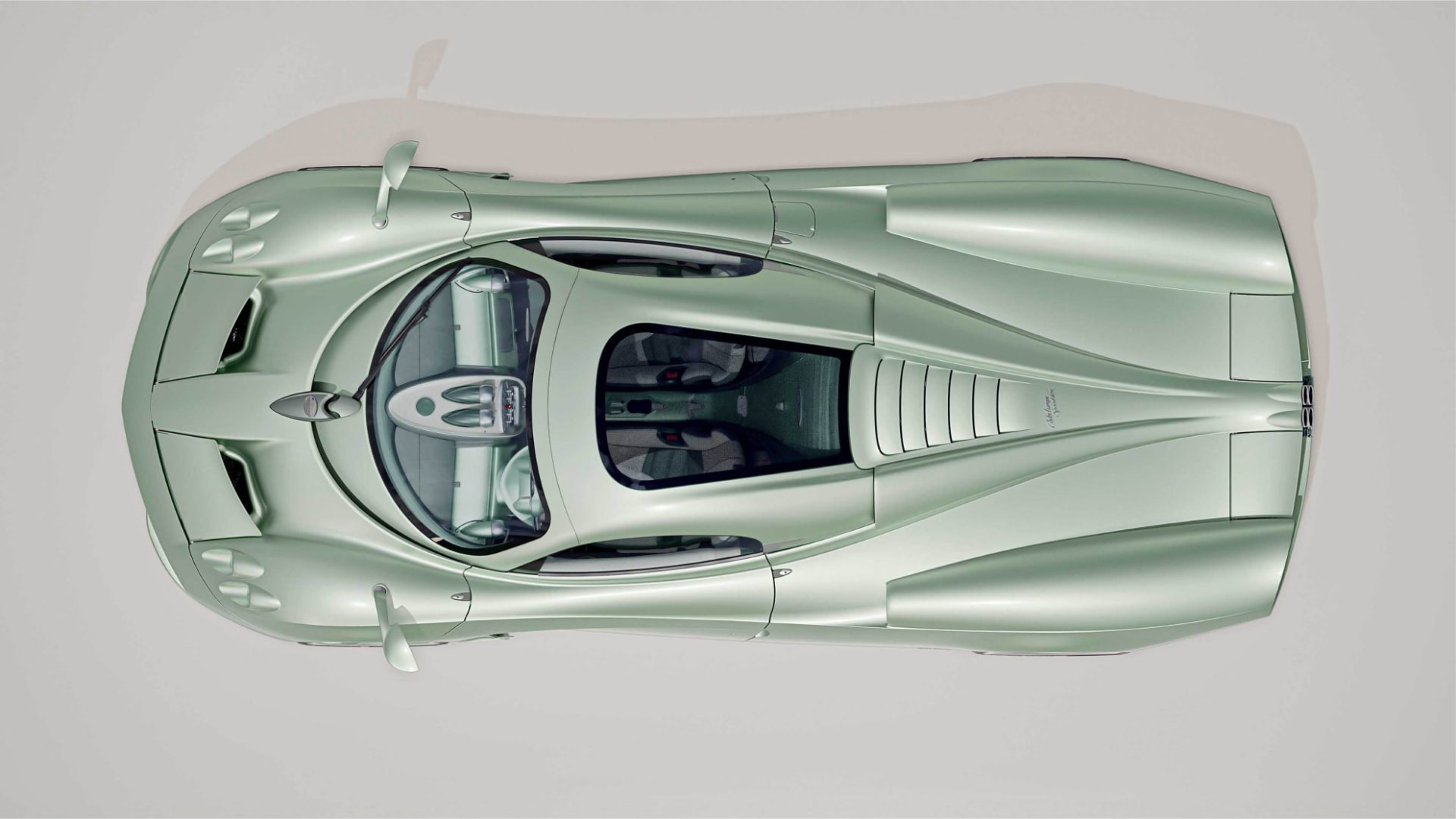
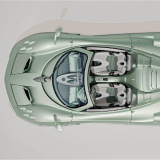
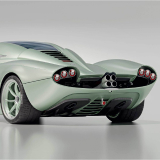
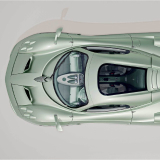
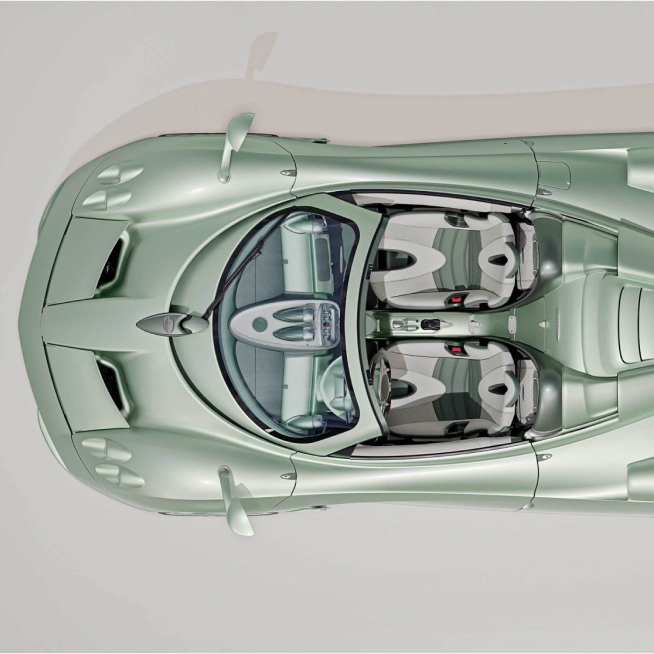
Removing the roof made the car lighter. A new Carbo-Titanium and Carbo-Triax monocoque with reworked structures brings dry weight to 1,270 kg—ten less than the coupé. For shelter, a panoramic hardtop clips on, its clear polycarbonate panel drawing one unbroken line from windshield to tail: a perfect droplet seen from above. Six exhaust outlets are new—titanium below, ceramic-coated above—and the voice is still pure Pagani.
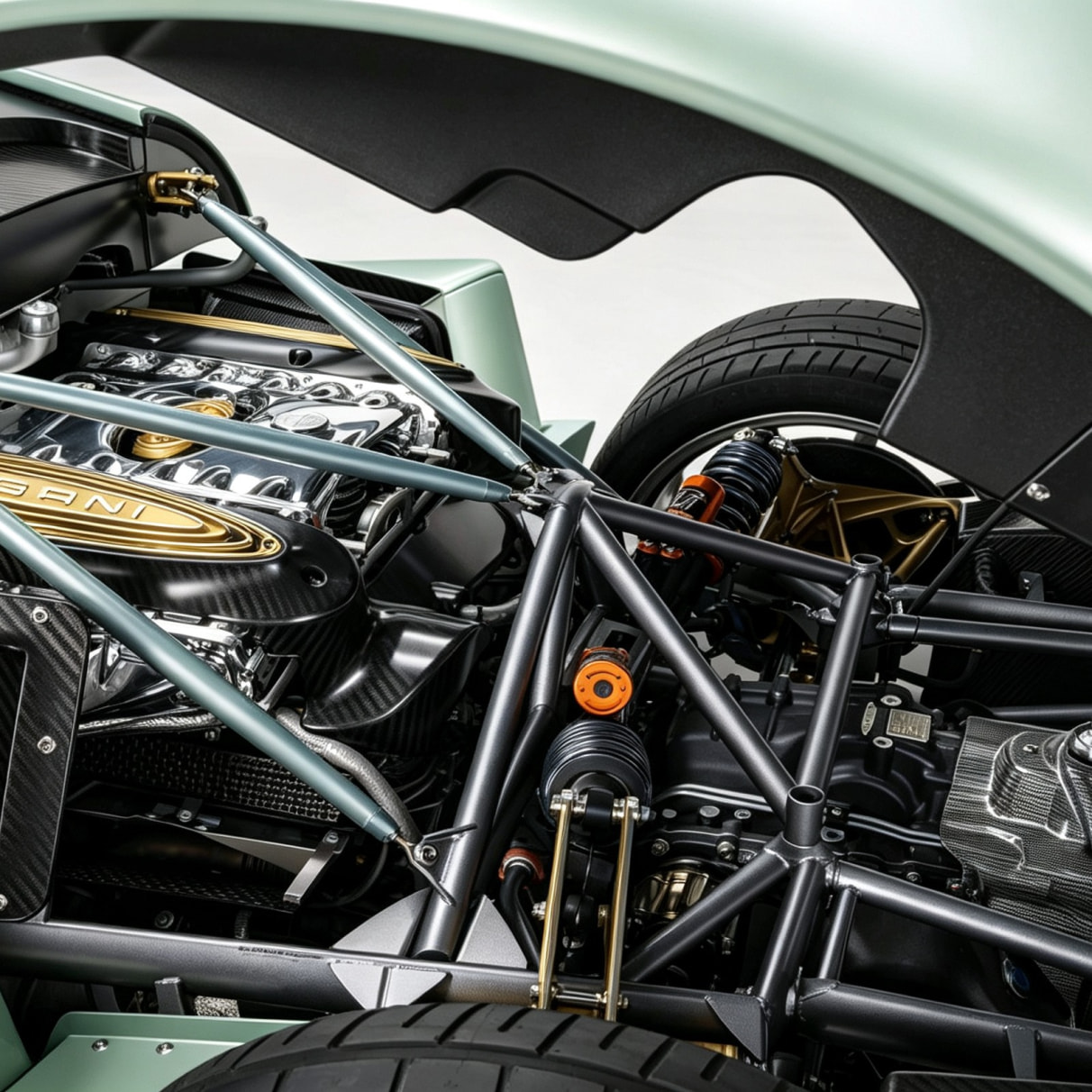
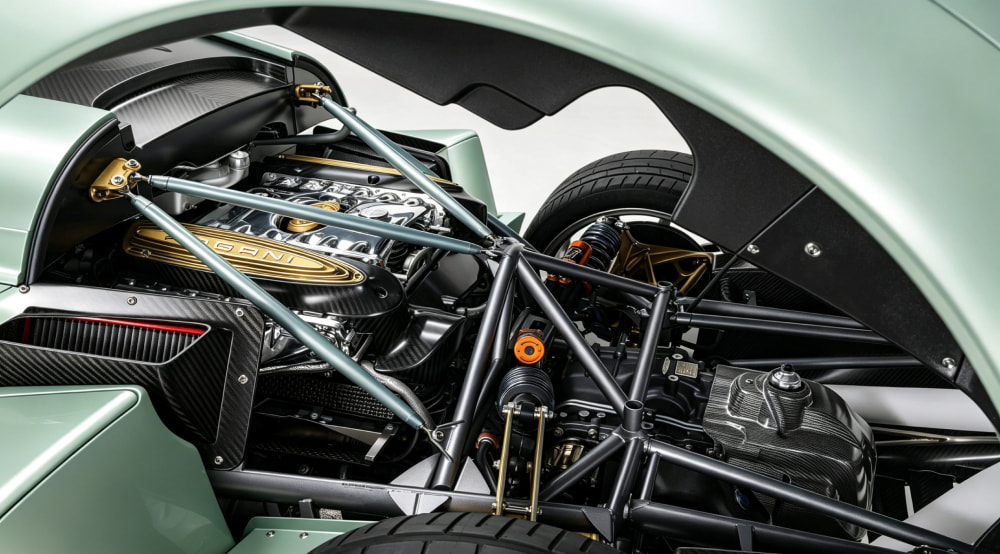
Unveiled on July 8, 2025, the Codalunga Speedster is limited to ten cars, each born from a one-to-one dialogue with its owner, homologated for road use worldwide and delivered from 2026. The 6.0-liter twin-turbo V12, developed with Mercedes-AMG, makes 864 PS with all 1,100 Nm on tap from 2,800 rpm. The 7-speed Xtrac gearbox comes as a sequential AMT or a pure manual—a rarity among today’s supercars—and this example pairs the V12 with the 7-speed manual gearbox.
Born from listening, with no limits to vision or desire, each Codalunga Speedster is a bespoke project, sculpted around a personal idea of beauty. Horacio likes to say, “A real client comes back again and again.” This car is the proof: the coupé dream fulfilled, old friends returned for a piece of sky. No towering wing, no aggression—only the elegant speed of the 1960s, wind included. Ten people can own one; the story belongs to every dreamer.
Pagani Huayra Codalunga Speedster – A Long-Tail Dream for Two Kindred Souls, Now Open to the Wind
In 2018, two Pagani collectors asked Horacio Pagani for a long-tail Huayra: clean lines and an elegant stance, like the 1960s Le Mans racers. Four years later, the Codalunga coupé arrived—just five worldwide—and won the Design Award at the 2023 Concorso d’Eleganza Villa d’Este.
With the coupé’s story told, the collectors sent in a new wish: open that elegance to the sky. Horacio agreed, and the project returned to Grandi Complicazioni, the special-projects division. Its head, Lorenzo Kerkoc, notes that 1950s and ’60s racers balanced performance and beauty almost poetically, before efficiency outran elegance. This time, the brief was speed with grace: no aero appendages, no side intakes—a body slipping quietly through the air.
Removing the roof made the car lighter. A new Carbo-Titanium and Carbo-Triax monocoque with reworked structures brings dry weight to 1,270 kg—ten less than the coupé. For shelter, a panoramic hardtop clips on, its clear polycarbonate panel drawing one unbroken line from windshield to tail: a perfect droplet seen from above. Six exhaust outlets are new—titanium below, ceramic-coated above—and the voice is still pure Pagani.
Unveiled on July 8, 2025, the Codalunga Speedster is limited to ten cars, each born from a one-to-one dialogue with its owner, homologated for road use worldwide and delivered from 2026. The 6.0-liter twin-turbo V12, developed with Mercedes-AMG, makes 864 PS with all 1,100 Nm on tap from 2,800 rpm. The 7-speed Xtrac gearbox comes as a sequential AMT or a pure manual—a rarity among today’s supercars—and this example pairs the V12 with the 7-speed manual gearbox.
Born from listening, with no limits to vision or desire, each Codalunga Speedster is a bespoke project, sculpted around a personal idea of beauty. Horacio likes to say, “A real client comes back again and again.” This car is the proof: the coupé dream fulfilled, old friends returned for a piece of sky. No towering wing, no aggression—only the elegant speed of the 1960s, wind included. Ten people can own one; the story belongs to every dreamer.


2026
As EVs rewrite power records and aero kits pile ever higher, this car chooses subtraction: roof off, intakes hidden, a manual lever kept. It proves that the summit of bespoke is not wilder numbers, but handing the wind and the V12’s voice back to the driver.
Behind the Legend

2026
As EVs rewrite power records and aero kits pile ever higher, this car chooses subtraction: roof off, intakes hidden, a manual lever kept. It proves that the summit of bespoke is not wilder numbers, but handing the wind and the V12’s voice back to the driver.
Exterior and Interior
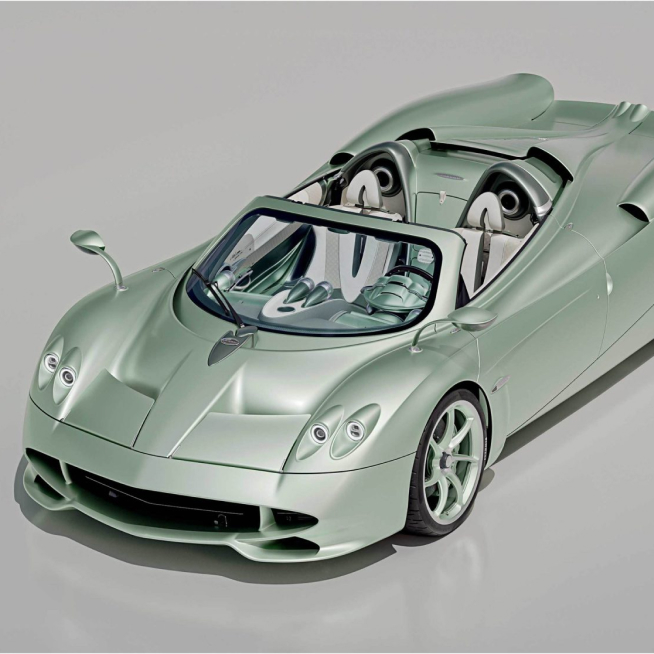
360 mm longer
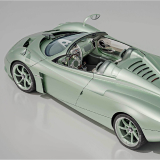
A tribute to the long-tail Le Mans racers of the 1960s. The engine cover alone spans more than 3.7 square meters, its lines flowing as if shaped by the wind.
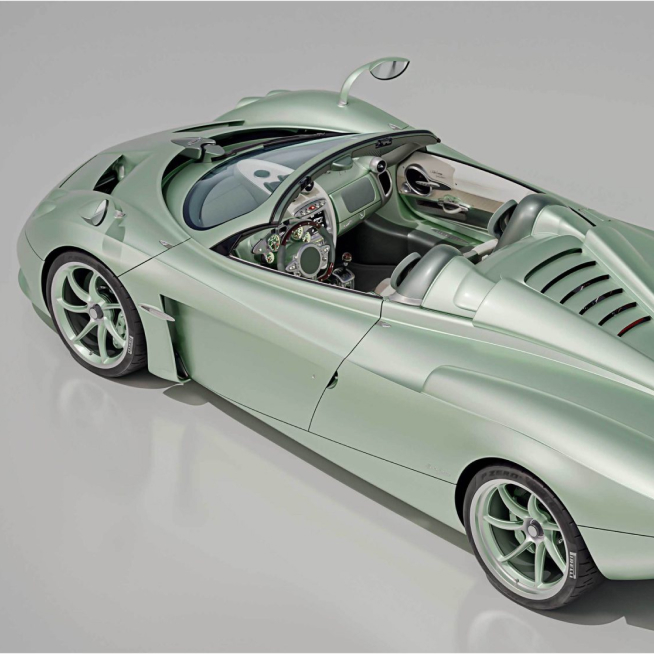
Design by subtraction
No big wing, no side intakes; air fed by NACA ducts hidden below. “We took away rather than added.” Clean is the car's most expensive part.
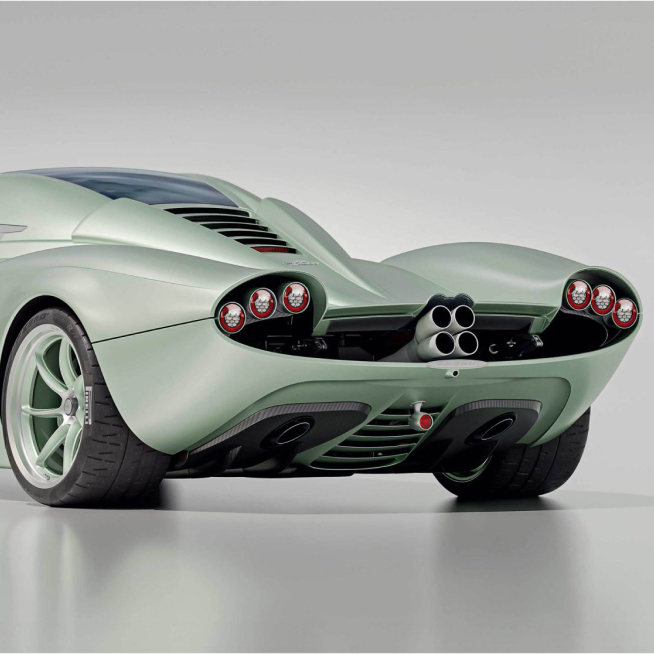
Six-pipe titanium exhaust
Titanium pipes below, ceramic-coated outlets above, a design unique to the Speedster. Titanium keeps shedding weight; the first note already says Pagani.
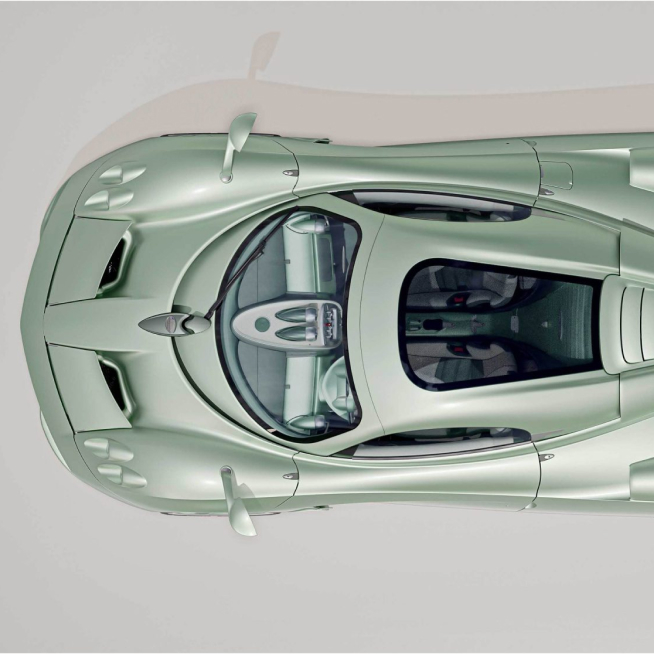
Lower windshield, panoramic hardtop
Screen and side glass sit lower, their rounded edges nodding to post-war racing prototypes; with the roof on, a single line runs from nose to tail.
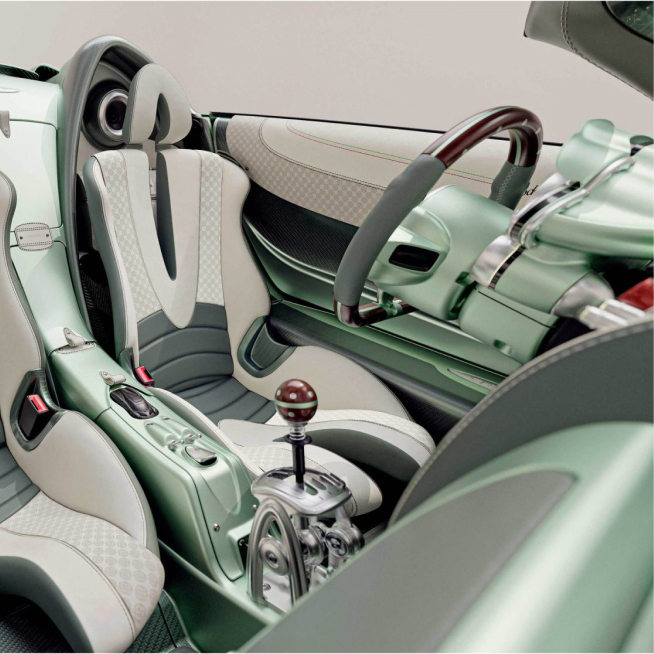
450,000 hand stitches
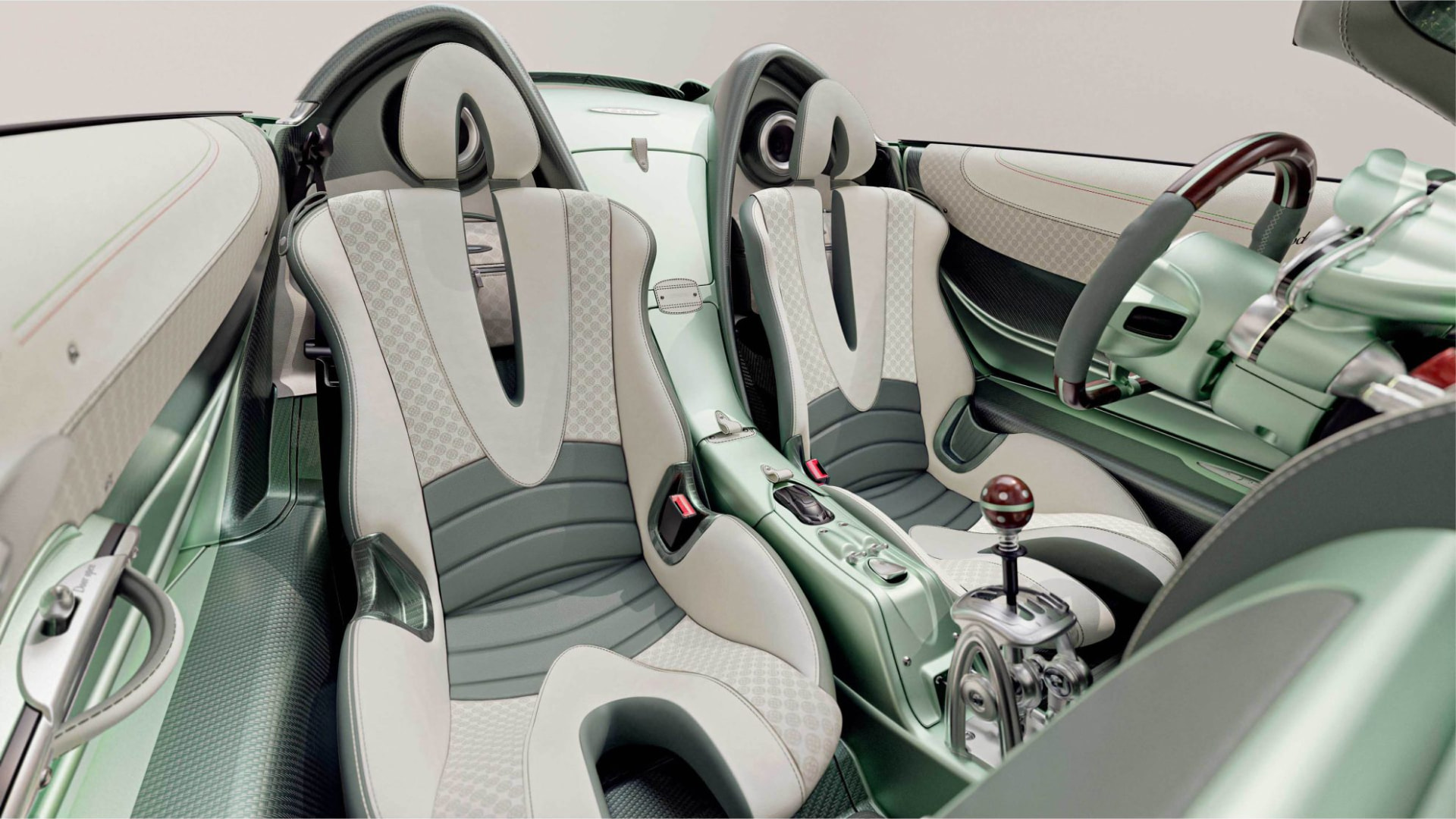
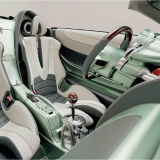
Seats, doors and dashboard wear an exclusive embroidered fabric, its motif drawn from Pagani’s four-pipe exhaust roundel—haute-couture craft applied to a car for the first time, every stitch done by hand.
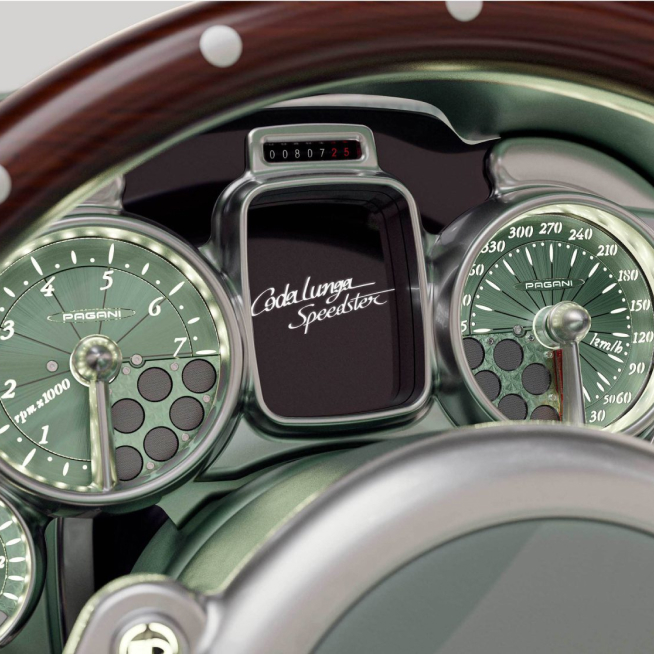
Machined from solid aluminum
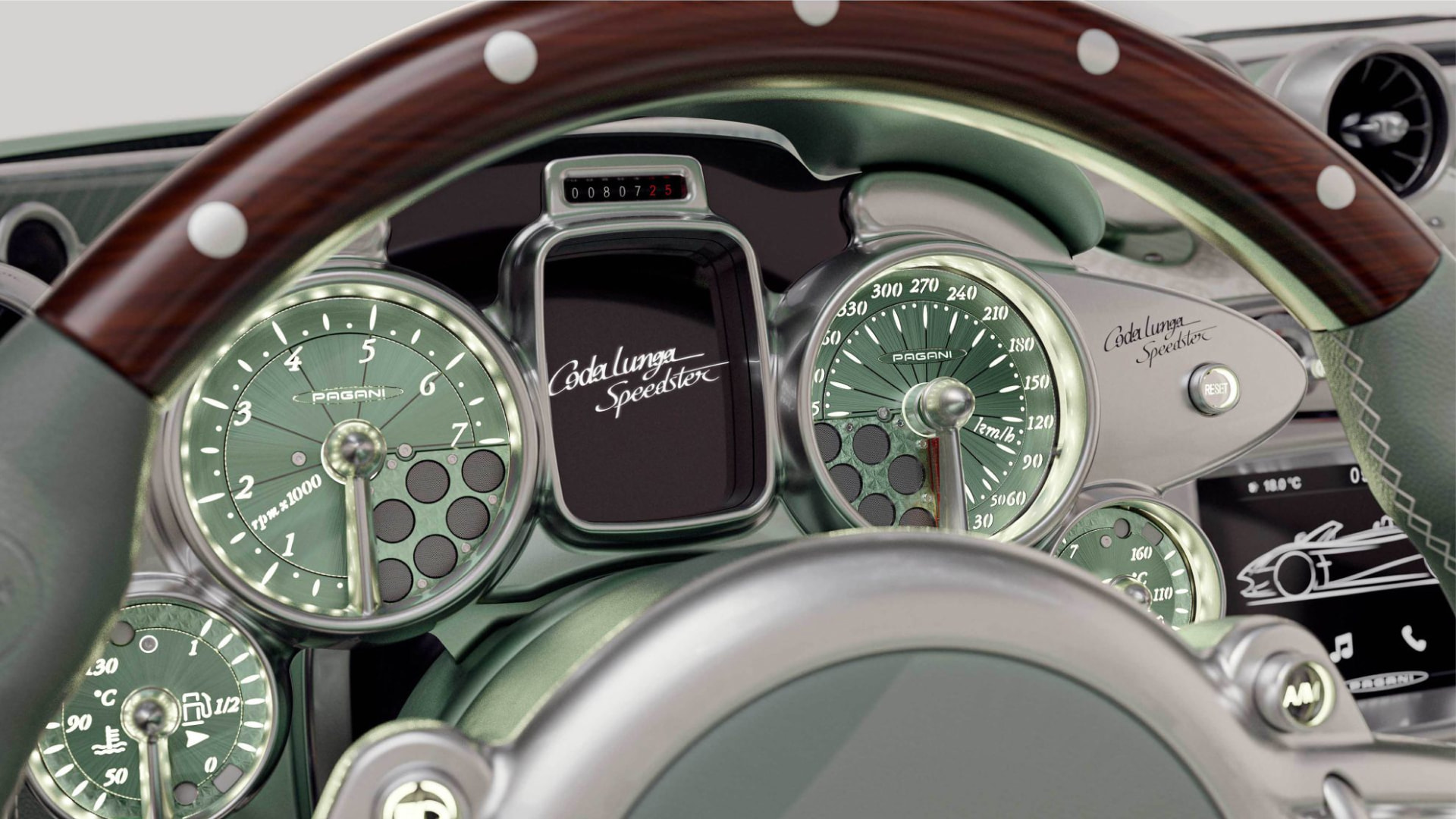
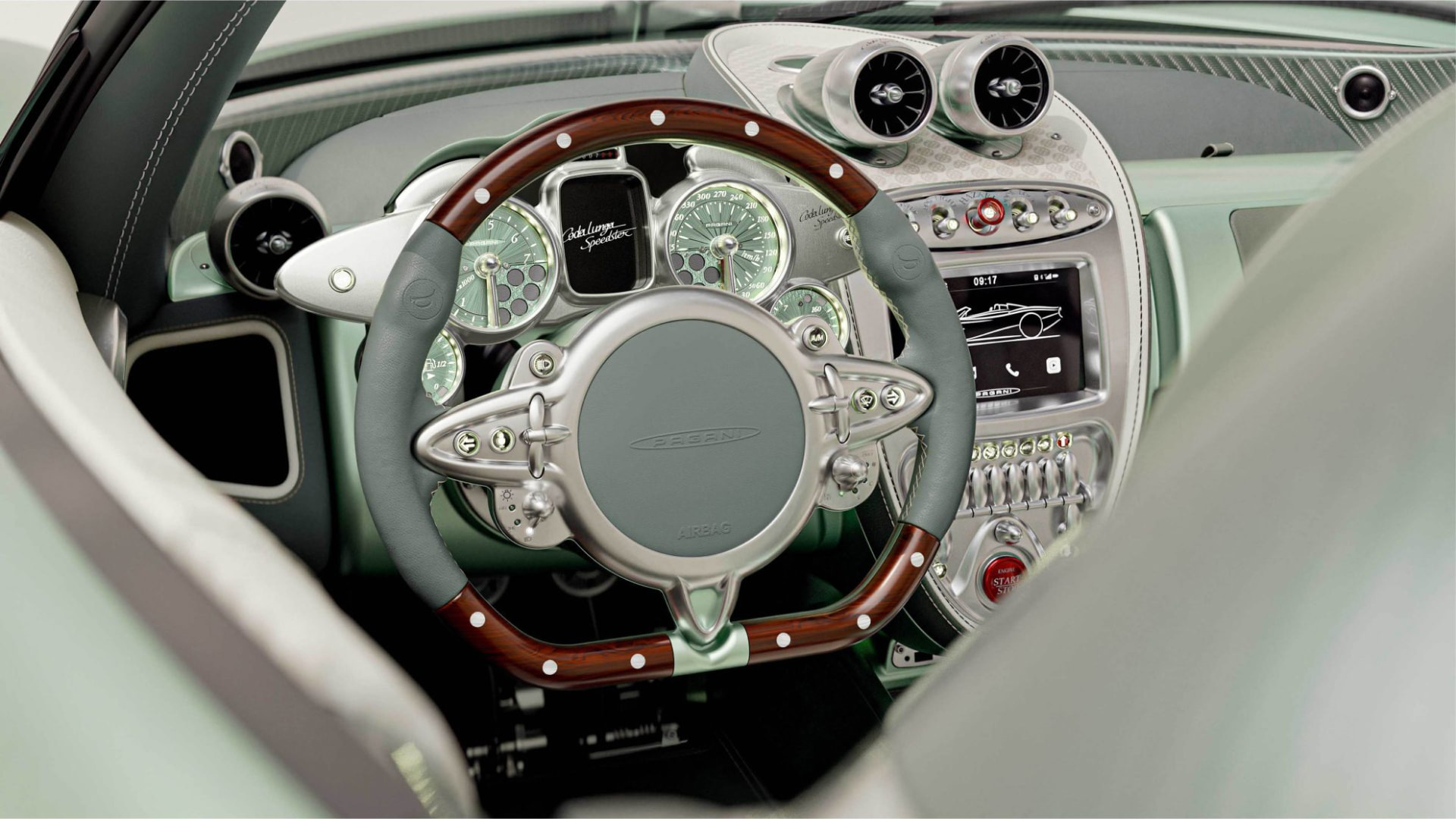
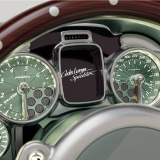
Every aluminum component is milled from a single block and polished by hand, in the tradition of artisans who once hand-polished every part.
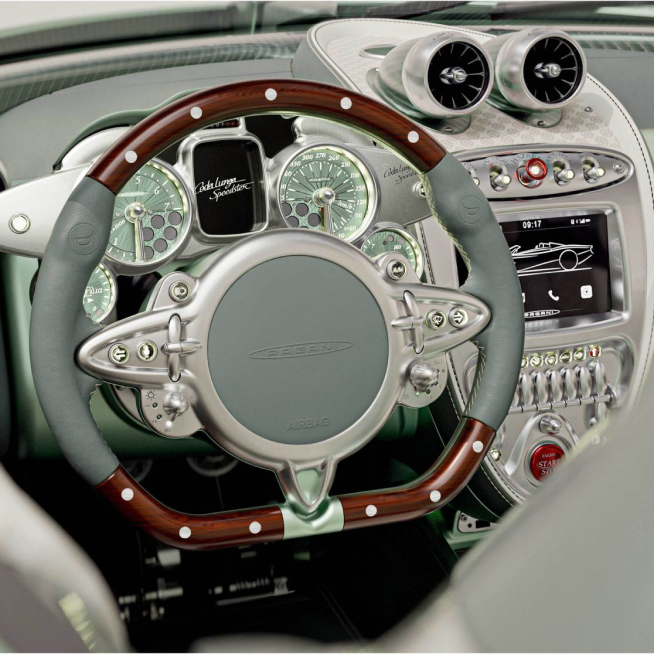
Mahogany steering wheel
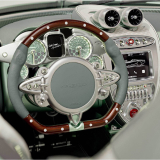
A carbon-fiber frame with mahogany inlays and hand-hammered aluminum rivets, honoring the classic Nardi wheel; the gearshift sits exposed, machinery as decoration.